
How do you come off GamStop the proper way when your period ends?
 Available in GB
By Owen Radcliffe, iGaming Regulation and Self-Exclusion Analyst — — About 9 minutes to read
Before anything else, two things need saying clearly. GamStop cannot be cancelled early, under any circumstances, by anyone, for any fee. And when your chosen period does end, it does not switch itself off; you have to take active steps. This page is written as support, not as a doorway. If you originally self-excluded because gambling was causing you harm, the most useful thing I can do is be honest about how the proper process works and make sure you know where help is, rather than nudge you anywhere you did not ask to go.
Table of Contents
- Can you end GamStop early if you change your mind?
- Does the exclusion just end on its own when the period is up?
- What is the actual, legitimate route once your period has ended?
- Does removing GamStop remove all your other protections too?
- How do you make this decision well rather than impulsively?
- You can talk to someone right now
- About the author
Can you end GamStop early if you change your mind?
No, and this is by design rather than an oversight. When you registered, you chose a minimum period of six months, one year or five years, and that commitment is deliberately inflexible. There is no early-cancellation button, no customer-service exception, and no legitimate third party who can lift it for you before the time is up. The whole value of the scheme rests on this: a self-exclusion you could undo in a low moment would not be a protection at all. If you are partway through a period and the urge to gamble is strong right now, that is precisely the situation the cooling-off design exists to ride out, and it is also the moment the support contacts at the foot of this page matter most. Understanding why the scheme works this way is easier alongside the explainer on how the self-exclusion scheme works.

Does the exclusion just end on its own when the period is up?
This is the part that catches people out, so it is worth being precise. Your GamStop exclusion will not be automatically removed at the end of your minimum period. According to GamStop’s own guidance, it will remain in place for a further seven years unless you actively take steps to remove it. In other words, doing nothing keeps you excluded, which for many people is genuinely the better outcome. If you decide you do want to return to UK-licensed sites after your period has expired, you have to start the removal yourself, verify who you are, and pass through a short cooling-off before the exclusion is lifted. The authoritative description of this sits on the official GamStop website, and I would always check there for the current wording before acting.
Doing nothing is a valid choice
If your period has ended and you are unsure, you do not have to do anything at all. Leaving the exclusion in place is the default, and it costs you nothing to stay protected while you think it over.
What is the actual, legitimate route once your period has ended?
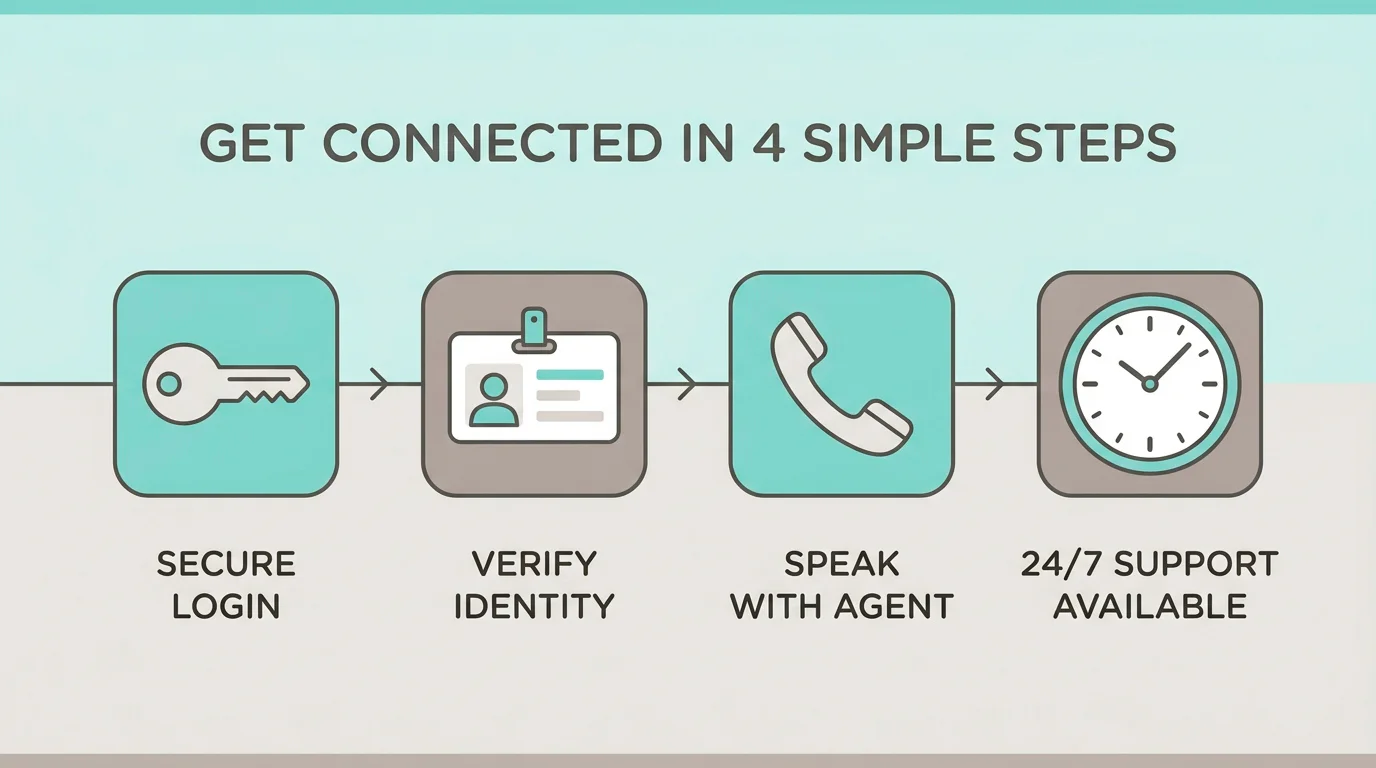
The legitimate process is straightforward and free, and it runs only through GamStop itself. First, confirm that your exclusion has genuinely expired by signing in to your online account; if you no longer have access, you contact GamStop to sort that out rather than trying any workaround. Once you can see that the period has ended, you request a verification code from your account and then call GamStop free of charge on 0800 138 6518, which is available every day from 10am to 8pm. They will not remove an exclusion that has not expired, so there is no point calling early. After they process the request, a 24-hour cooling-off period begins, during which the exclusion stays in place and you can change your mind and cancel the removal in your online account at any point. Only after that window passes is the exclusion actually lifted, and individual operators then take their own time to update their systems.
I want to flag one thing about that cooling-off window: it is there for you, not against you. It is a built-in pause that lets a considered decision settle and gives an impulsive one time to fade. If during those 24 hours any doubt creeps in, cancelling the removal is the easy default, and the exclusion simply continues. Nothing about this process should feel rushed, and nobody legitimate will ever pressure you through it.

Does removing GamStop remove all your other protections too?
No, and this is reassuring to know if you have built more than one layer of protection. GamStop is one tool among several, and the others operate completely independently. Removing GamStop does not touch a blocking app like Gamban or BetBlocker, it does not lift a SENSE exclusion from land-based casinos, and it does not undo any self-exclusion you set up directly with an individual operator. Each of those has to be ended on its own terms, with its own process and its own minimum periods. Most UK banks also offer a free gambling block on your cards, and that stays in place until you remove it through your bank. So if you remove GamStop and find you are still blocked somewhere, that is usually another protection doing its job, not a glitch.
If anything, the independence of these tools is a feature worth leaning on. Keeping a bank block or a blocking app in place even after a GamStop period ends gives you a softer, reversible layer rather than an all-or-nothing switch. The TalkBanStop programme deliberately combines three of these strands, support from GamCare, the GamStop register and Gamban blocking software, into one place precisely because layered protection works better than any single tool. You can reach that combined support through GamCare.
Gamban and BetBlocker
Blocking software that runs on your devices independently of GamStop and must be removed separately.
SENSE
Self-exclusion from land-based casinos, entirely separate from the online scheme.
Operator self-exclusions
Any exclusion set up directly with a single site stays until you end it with that operator.
Bank gambling blocks
A free card-level block offered by most UK banks, lifted only through your bank.

How do you make this decision well rather than impulsively?
If your period has ended and you are weighing up whether to remove the exclusion, give the decision the room it deserves. Think back honestly to why you signed up in the first place, because that reason has not necessarily changed just because the calendar has. Talk it through with someone you trust, or with the helpline, before you make the call rather than after. And be wary of any site or service that frames removing GamStop as a quick win or a route to a bonus, because the moment money or urgency enters the picture, you are being sold to rather than supported. The honest risks of the offshore alternative, including why “remove GamStop” services are scams, are set out plainly in the safety risks of going offshore guide, and the broader trade-off is covered in the comparison of what you give up outside the UKGC.
There is no rush built into any of this except the rush other people might try to manufacture. The proper route will still be there next week and next month. If you are not sure, the safest and most self-respecting choice is to wait, and to reach out for support while you do. For the wider context of where these decisions sit, the main guide to casinos not on GamStop brings the legal, safety and self-exclusion threads together.

You can talk to someone right now
If gambling is causing you harm, or the urge to return feels overwhelming, please reach out before doing anything else. The National Gambling Helpline, run by GamCare, is free, confidential and open 24 hours a day, every day, on 0808 8020 133, with WhatsApp and live chat as well. You can keep or set a free self-exclusion through GamStop, and find prevention and treatment support through BeGambleAware. The combined TalkBanStop programme brings support, the self-exclusion register and blocking software together in one place. There is real strength in asking for help, and you do not have to face any of this alone.
About the author
Owen Radcliffe has spent over twelve years tracking the UK online gambling market, with a particular focus on licensing, self-exclusion frameworks and the offshore operators that sit outside the GamStop scheme. His work centres on explaining how UK Gambling Commission rules, payment restrictions and player-protection tools actually affect people in practice, rather than in theory. He holds a professional background in compliance research and regularly reviews published regulator guidance and consultation outcomes to keep his explanations current. Read more on his author profile.
The full picture is in our guide to casinos not on GamStop.
What the scheme covers in the first place: how GamStop works.