
How does GamStop work, and why do some casinos sit outside it?
 Available in GB
By , iGaming Regulation and Self-Exclusion Analyst — — 9 min read
GamStop is the single piece of machinery that the whole idea of a casino “not on GamStop” turns on, and most explanations of it skip the part that actually matters. The scheme is not a filter you install or a switch on your own device; it is a register that licensed operators are obliged to check, and that obligation is exactly why some sites fall outside it. Once you see GamStop as an operator-side duty rather than a personal blocker, the existence of offshore casinos stops looking like a clever loophole and starts looking like what it is: a simple question of which regulator a website answers to. This page walks through what GamStop is, how registration and enforcement work, and where the scheme’s reach ends.
What is GamStop, and who runs it?
GamStop is the United Kingdom’s national online self-exclusion scheme. It launched in April 2018 and became fully operational across the licensed market in 2020, by which point every operator holding a remote licence from the Gambling Commission had to be connected to it. The service is run by GamStop Limited, the trading name of National Online Self-Exclusion Scheme Ltd, a non-profit body set up specifically to operate the register. It is free for players to use, and signing up takes only a few minutes. The principle is straightforward: a person who wants to stop gambling online registers once, and every operator bound by the scheme then has to refuse to take them on.
That last clause is the important one. GamStop does not work by sitting on your phone or your browser; it works by holding a central list that operators are required to consult. When the system functions as intended, a registered person is locked out of the entire connected estate at the same time, rather than having to contact each gambling site individually. For the broader context of where this fits among UK player protections, the main guide to casinos not on GamStop explained sets out how the scheme sits alongside licensing, affordability checks and the rest of the regime.
What happens when you register?
Registration is deliberately simple, because friction is the enemy of someone trying to act on a moment of resolve. You provide a small set of personal details so that operators can match you against the register accurately, and you choose how long the exclusion should last. The details collected are the ones needed to identify you reliably across different sites.
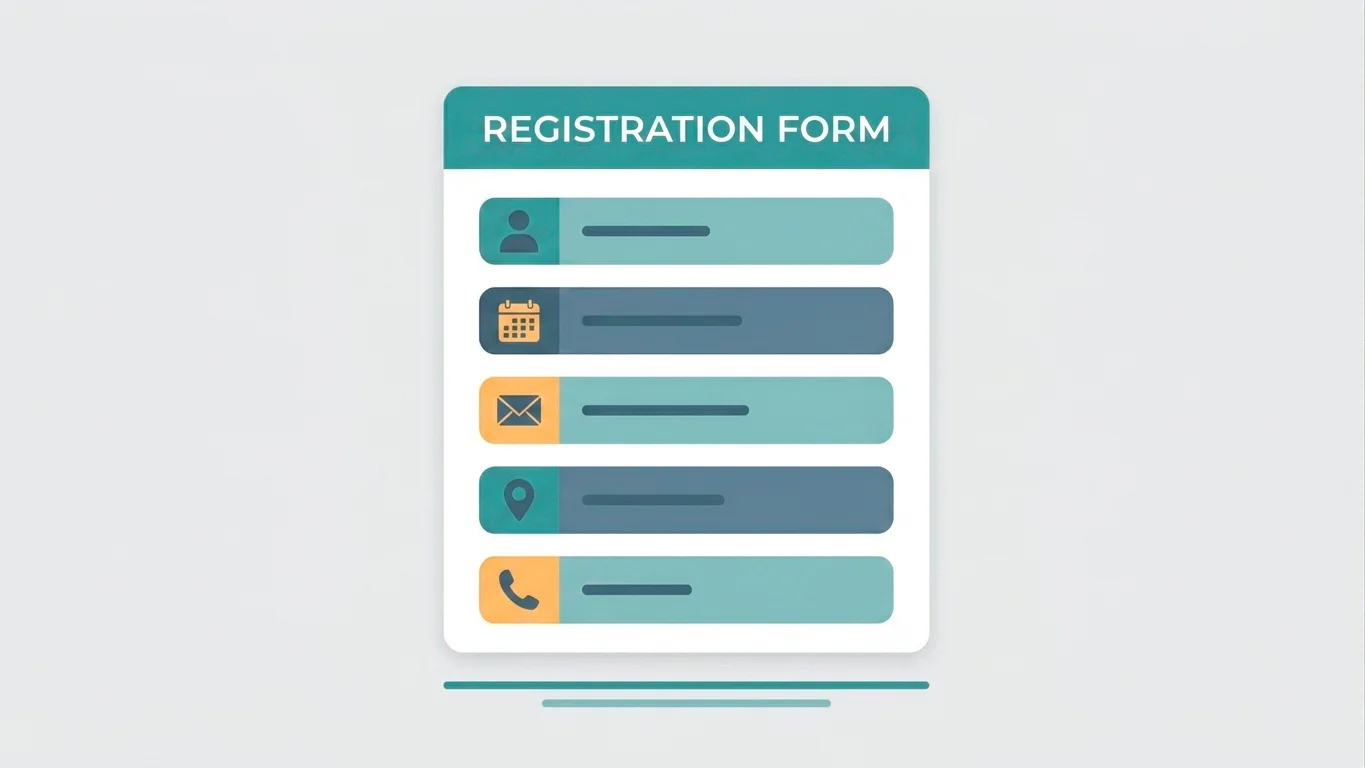
- Your name, so operators can match the registration to an account holder.
- Your date of birth, used as a second identifying field.
- Your email address, the primary contact and matching key.
- Your postcode, which helps distinguish people with similar names.
- Your mobile number, a further identifier and contact route.
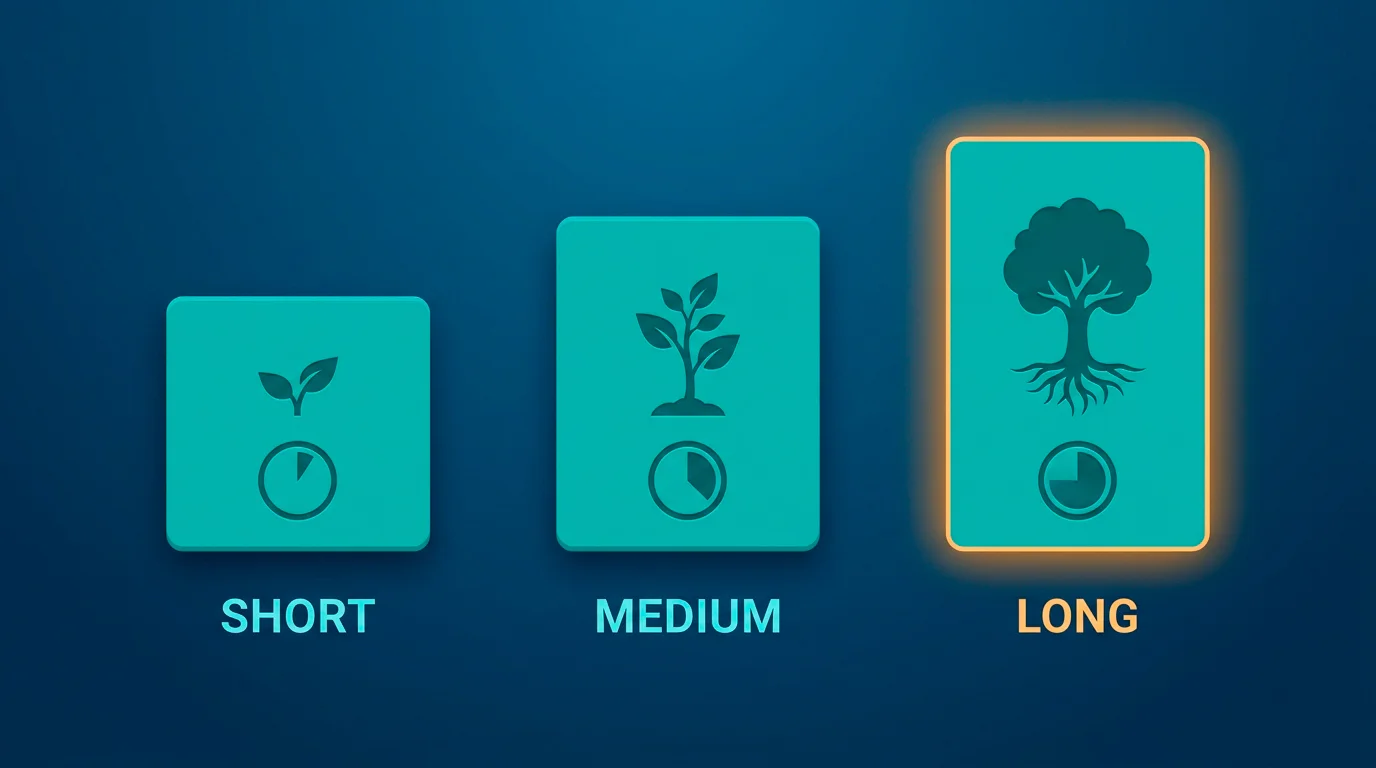
Once those details are in, you pick an exclusion period, and this is where GamStop differs from a casual “cooling-off” setting. The period is fixed once chosen: you select either six months, one year or five years, and the exclusion runs for the full term. It cannot simply be switched off the next day because the urge returns, which is the whole point of building a deliberate barrier between a decision and a relapse.
When a period reaches its end, the exclusion does not vanish automatically; coming back requires a deliberate step on the player’s part, with a built-in cooling-off before any account can reopen. That process, and the safer ways to approach it, is covered separately in the guide to ending self-exclusion the proper way.
How do operators actually enforce it?
The enforcement sits with the operators, not with the player, and it is a licence condition rather than a voluntary courtesy. Under the Gambling Commission’s Licence Conditions and Codes of Practice, social responsibility code provision 3.5.5 requires every remote licensee to participate in the multi-operator self-exclusion scheme and to check the register so that a self-excluded person cannot gamble with them. In practice that means checking at the point of registration and again at login, so a registered person is turned away both when trying to open a new account and when trying to access an old one.
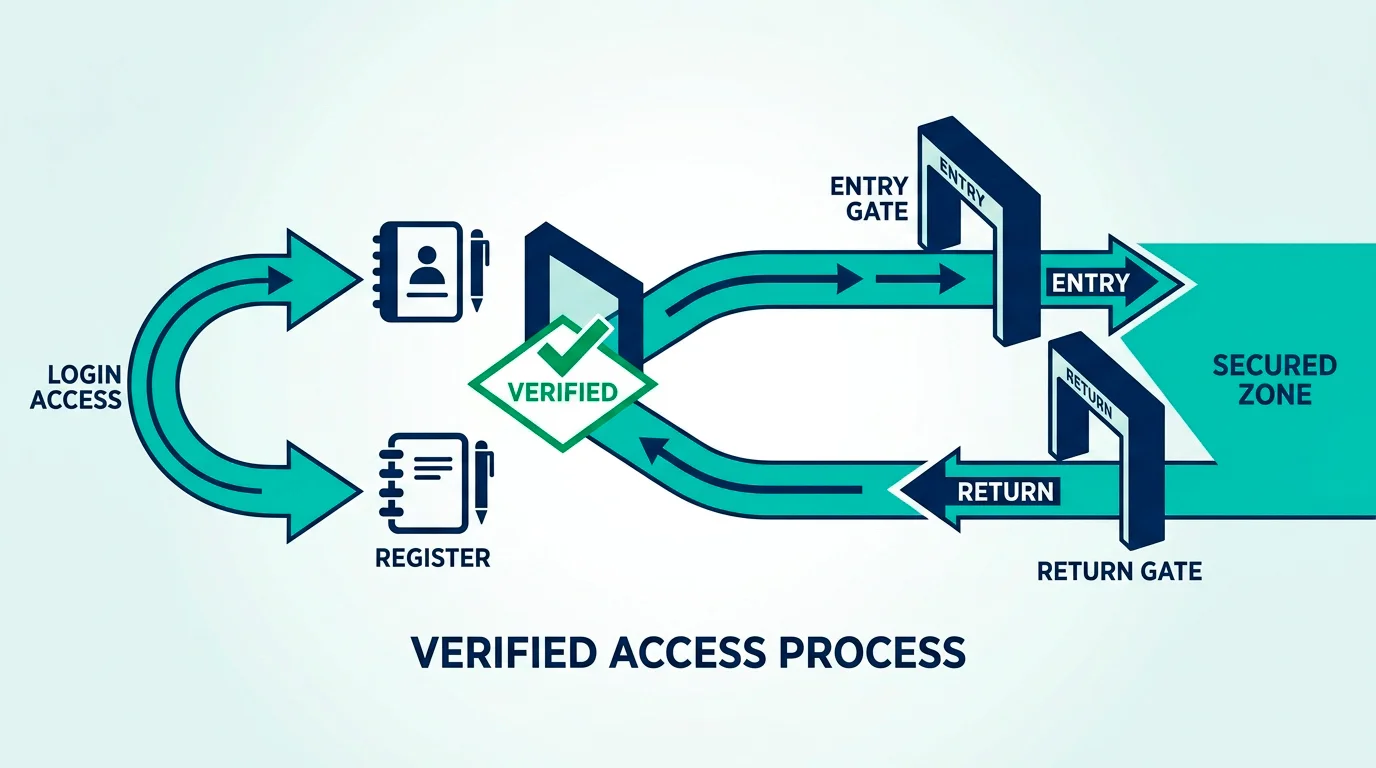
The duty has widened over time. Online operators have been required to use GamStop since the scheme became mandatory, and the requirement was later extended to cover telephone and email betting from 1 April 2024, following the Commission’s consultation response published on 17 October 2023, so that the same self-exclusion now reaches gambling arranged by phone or message rather than only through a website. You can read the regulator’s own material on the requirement on the UK Gambling Commission website, and GamStop’s own explanation of how the register works for players sits on the GamStop website. The key takeaway is that enforcement is a condition of holding a UK licence, which tells you immediately why a site that holds no UK licence has nothing to enforce.
Why do some casinos sit outside GamStop?
This is where the phrase “not on GamStop” finally makes sense. The obligation to check the register flows from holding a Gambling Commission licence. A casino licensed somewhere else entirely, in Curacao, Anjouan or Malta for example, is not a UK licensee, so the code provision that creates the duty simply does not apply to it. These operators have no relationship with the GamStop register, no access to it and, in practice, no reason or means to query it. A self-exclusion that depends on UK-licensed operators checking a UK list cannot reach a site that answers to a different regulator.

That is why it is more accurate to describe a non-GamStop casino as a jurisdictional fact than as a hack or a workaround in the technical sense. Nobody has defeated the scheme; the scheme was never designed to reach beyond the operators it licenses. Understanding which jurisdictions these sites actually use, and what those licences are worth, is its own subject, covered in the overview of the offshore operators outside GamStop. Whether a UK resident can lawfully play at them is a separate question again, addressed in the breakdown of the legal status for UK players.
What does GamStop not cover?
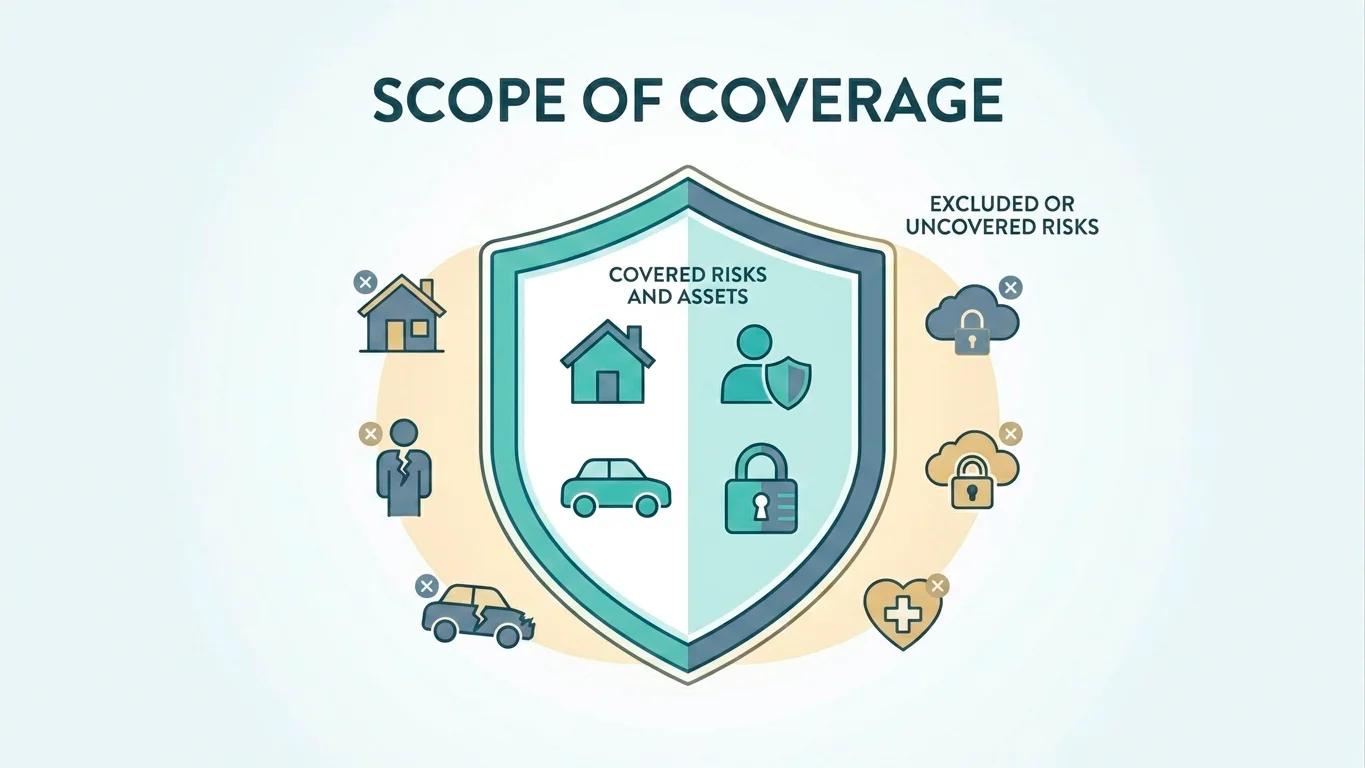
Even within the UK, GamStop has clearly defined edges, and knowing them helps explain both its strengths and its gaps. It is a single-purpose tool aimed at remote gambling, and several things fall outside its remit by design.
It is operator-side, not device-side
GamStop installs nothing on your computer or phone. It works only through operators checking the register, so it cannot stop a site that does not check.
It is jurisdiction-bound
The scheme reaches only operators licensed by the UK Gambling Commission. Anything outside that licensing net is outside GamStop’s reach.
It does not cover land-based gambling
High-street betting shops, casinos and arcades are handled by a separate scheme, SENSE, rather than by GamStop.
It treats the National Lottery narrowly
GamStop covers National Lottery online instant-win games but not the draw-based games, which sit under different arrangements.
None of this makes GamStop weak; within its intended scope, the simultaneous lockout across the licensed online estate is a powerful protection. The limits simply mark where one tool ends and where a person may need additional blocking software or banking controls to close the remaining gaps.
What does this mean if you have self-excluded?
The practical consequence is uncomfortable but worth stating plainly. Because offshore operators do not check the register, a UK resident who has self-excluded through GamStop can usually open an account at a non-GamStop casino within minutes, often using little more than an email address and a crypto deposit. The barrier that GamStop builds across the licensed market simply is not present on the other side of the licensing line, which is the entire reason these sites attract searches from people who have excluded themselves.
If you put yourself on GamStop because gambling had become harmful, that ease of access is precisely the risk, not a convenience. The protections you deliberately chose, including affordability checks, dispute routes and the lockout itself, do not travel with you to an offshore site, and the trade-off is set out in full in the comparison of what you give up outside the UKGC. The most useful thing this page can leave you with is the reframing it opened with: a non-GamStop casino is not a clever way around your self-exclusion, it is simply a site your self-exclusion was never built to reach, and the support below exists for exactly the moment that distinction starts to matter.
If self-exclusion is wavering
The fact that an offshore account is easy to open does not mean it is a good moment to open one. If you self-excluded because gambling was causing harm, that reasoning has not changed just because a different site will take your money. Free, confidential help is available across the UK around the clock. The National Gambling Helpline, run by GamCare, is on 0808 8020 133, free and open 24 hours a day, every day of the year. You can also reach prevention tools and support through GambleAware and the TalkBanStop partnership, which combines counselling with the Gamban blocking software.
About the author
Owen Radcliffe has spent over twelve years tracking the UK online gambling market, with a particular focus on licensing, self-exclusion frameworks and the offshore operators that sit outside the GamStop scheme. He writes plain-language analysis aimed at helping readers understand the regulatory and financial trade-offs before they act. More about Owen Radcliffe.
The full picture is in our guide to casinos not on GamStop.
Ending an exclusion has one legitimate route: the proper way off.