Is it legal to play at casinos not on GamStop in the UK?
 Available in GB
By Owen Radcliffe, iGaming Regulation and Self-Exclusion Analyst — — About 11 minutes to read
This is the question that most pages get half-right. The honest answer is that the law treats the player and the operator as two completely different things, and almost every “non-GamStop” listicle stops at the comfortable half. If you place a bet at an offshore site from the UK, you are not committing a crime. If a company provides that gambling to British consumers without a UK Gambling Commission licence, it almost certainly is committing one. Understanding that split is the whole point of this page, because it changes how you should read everything else about these sites.
Table of Contents
- Who is actually breaking the law here, you or the casino?
- What does section 33 of the Gambling Act 2005 actually say?
- How did the point-of-consumption regime change things for offshore sites?
- If the operators are breaking the law, why are these sites still up?
- So what does “not illegal to use” really cost you?
- How should a UK reader weigh all this up?
- Support if gambling is becoming a problem
- About the author
Who is actually breaking the law here, you or the casino?
The Gambling Act 2005 is built around the idea of provision, not participation. The offences it creates target the people and companies that supply gambling facilities, not the individuals who choose to gamble. There is no section of the Act that makes it a criminal offence to place a bet at a site that lacks a UK licence, and there is no penalty written into UK law for a player who deposits money at an overseas casino. That is why you can read a dozen affiliate pages all confidently saying “it is legal for UK players” and find that, narrowly, they are correct. What they leave out is the other half of the sentence.
The other half is the operator. A company that runs a casino accessible to people in Great Britain, takes their stakes and pays out their winnings is providing facilities for gambling. Under UK law it needs a Gambling Commission licence to do that lawfully, regardless of where its servers, head office or original licence happen to sit. When a Curacao- or Anjouan-licensed site accepts a UK customer without that British authorisation, the company is the one exposed to criminal liability, not the customer. So when you ask whether casinos not on GamStop are legal, the precise answer is that they are usually illegal to operate into the UK, but not illegal for you to use. If you want the mechanics of why these sites sit outside the national scheme in the first place, the explainer on how GamStop works covers the licensing trigger in detail.
What does section 33 of the Gambling Act 2005 actually say?
Section 33 is the load-bearing provision. It states that a person commits an offence if they provide facilities for gambling unless they hold the right authorisation or fall within a narrow exception. In plain terms, running a gambling business without the licence the Act requires is itself the crime. The penalty is set out in the same section: on summary conviction, up to 51 weeks’ imprisonment in England and Wales (six months in Scotland), a fine at level 5 on the standard scale, or both. These are not theoretical numbers tucked away in an annex; they are the operative consequence that attaches to unlicensed provision, and you can read the wording on the official record of the Gambling Act 2005, Part 3.
The reason this matters for offshore casinos is the territorial reach that was bolted on later. When the Act first came into force, a remote operator only needed a UK licence if a piece of its gambling equipment physically sat in Great Britain. That left an obvious gap: keep all your servers in Malta or Gibraltar, and you fell outside the requirement while still taking British money. That gap is what the point-of-consumption reform closed, and it is why the modern position is so different from the early years of online gambling.
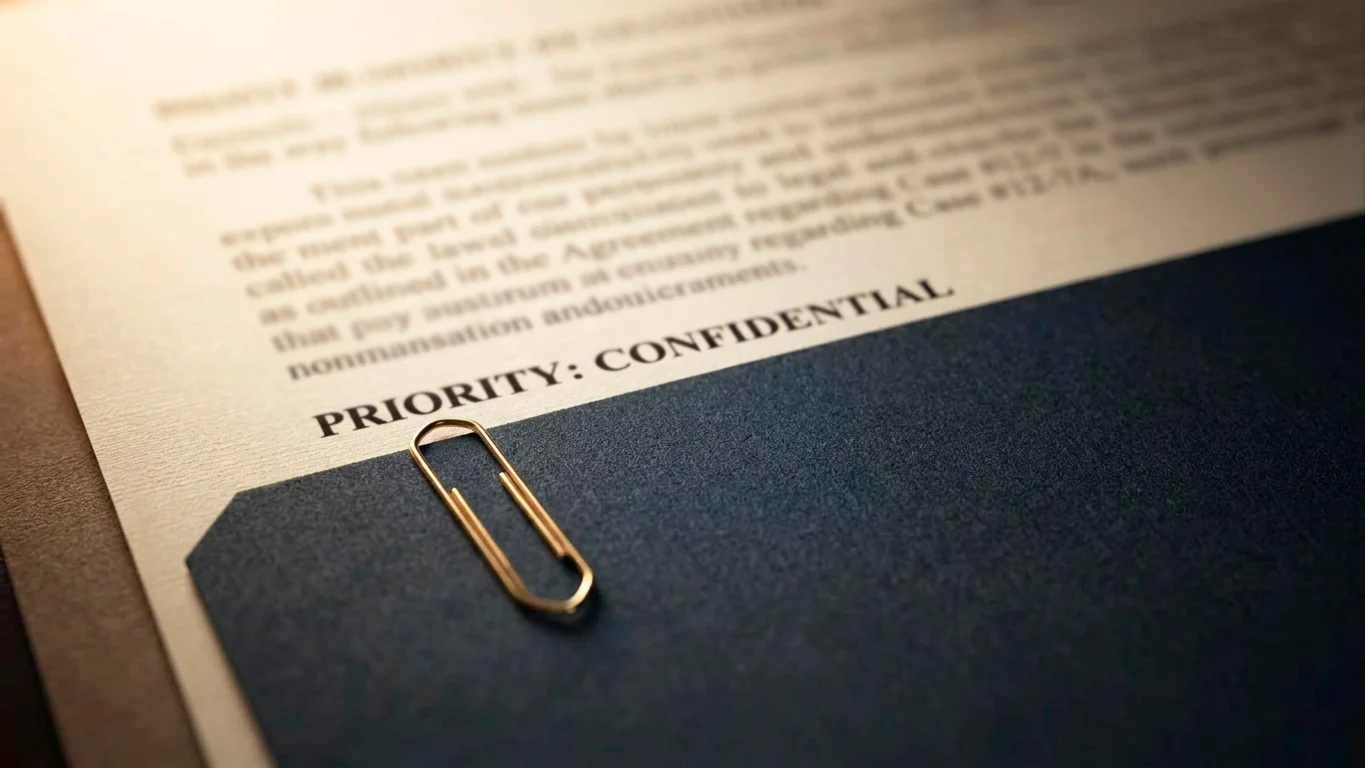
The exact penalty wording under section 33
Subsections (4) and (5) provide that the offence is a summary one, with a maximum penalty on conviction of imprisonment for 51 weeks in England and Wales, or six months in Scotland, a level 5 fine on the standard scale, or both. The offence applies whether the facilities are provided wholly or partly by remote communication, and whether the operator is inside, outside, or partly inside Great Britain.
How did the point-of-consumption regime change things for offshore sites?
The Gambling (Licensing and Advertising) Act 2014 rewrote the territorial test. From 1 November 2014, the question stopped being where the equipment sits and became where the gambling is consumed. Section 36(3A), inserted into the 2005 Act, says that where remote gambling facilities are used in Great Britain even though no equipment is located here, the operator commits the section 33 offence if it knows or should know that the facilities are being used, or are likely to be used, in Great Britain. That phrase, “knows or should know”, is the hinge. An overseas casino that markets in English, accepts GBP, processes British cards and ranks for UK search terms cannot credibly claim it did not expect British custom. You can confirm the commencement and scope on the explanatory notes to the 2014 Act, which describe the move to point-of-consumption licensing.
The practical effect is that almost any genuinely non-GamStop casino taking UK players is operating in breach of section 33 as extended by section 36(3A). The site may hold a perfectly real Curacao or Anjouan licence, but a foreign licence is not a UK licence, and it does not authorise service to British consumers. This is exactly why licence claims in a website footer mean so much less than people assume, and why it is worth learning the practical steps for checking an offshore licence before trusting any seal you see.

If the operators are breaking the law, why are these sites still up?
Enforcement of offshore gambling is messy, and that is the uncomfortable truth behind the legality question. The Gambling Commission cannot easily prosecute a company that has no UK presence, no UK assets and no UK directors, so it works through pressure rather than handcuffs. Its toolkit includes disrupting payment flows so that British banks and processors decline transactions to unlicensed sites, working with advertising regulators to strip illegal promotion, referring sites for removal from search results, IP-blocking in some cases, and acting on consumer reports. The regulator publishes enforcement activity and guidance on its own pages at the UK Gambling Commission, and it has suspended licensed operators in the past simply for failing to integrate the national self-exclusion scheme.
The political weather has shifted hard against the black market in 2026. In January the Government launched an Illegal Gambling Taskforce, led by the Gambling Minister, bringing together banks, social media platforms, law enforcement and the regulator to choke off illegal advertising and payments to unlicensed sites. Then, on 23 February 2026, the Department for Culture, Media and Sport announced a Spring 2026 consultation on banning gambling operators that do not hold a Great Britain licence from sponsoring British sports teams, a move aimed squarely at the visibility that draws players toward unregulated brands. None of this criminalises you as a player, but it tells you which way the enforcement pressure is pointing, and it is not toward making these sites safer or easier to reach.
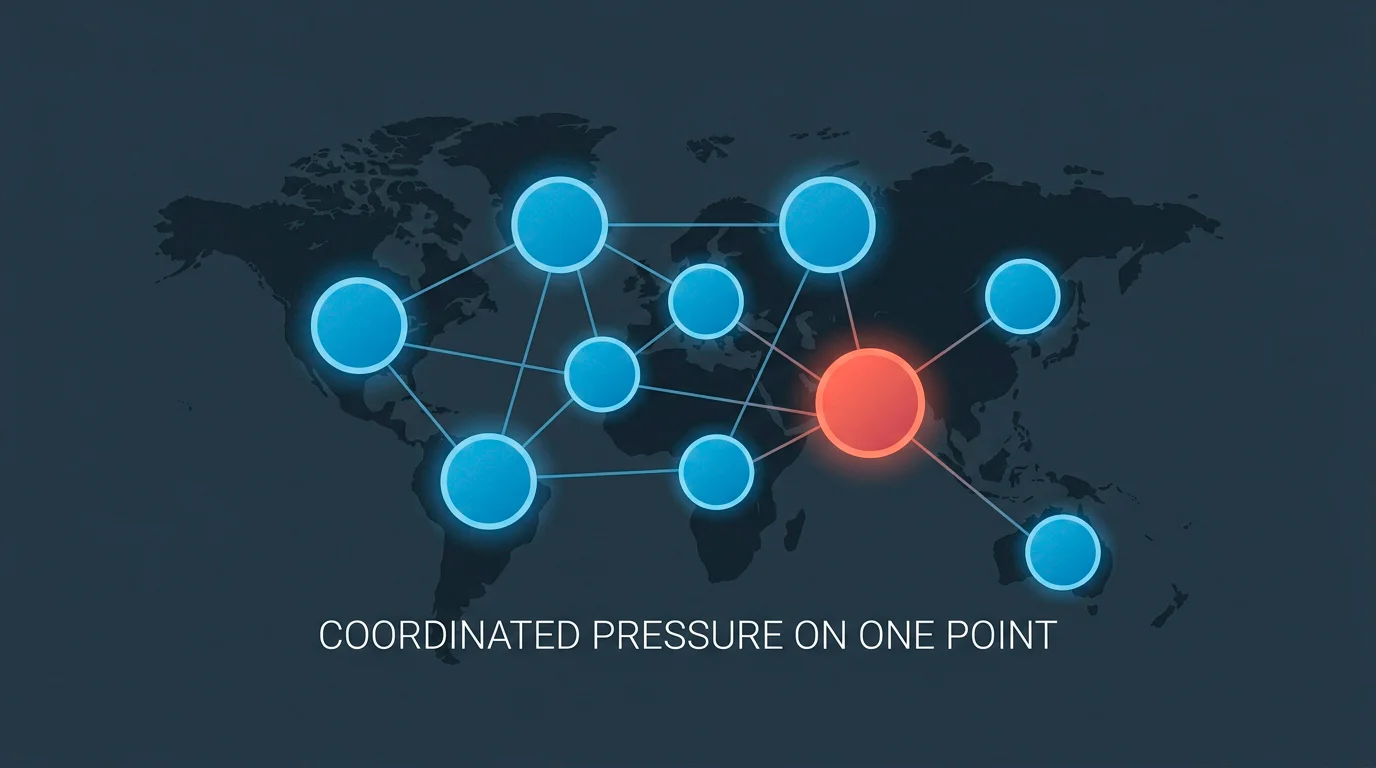
What enforcement does not give you
Even active enforcement against an operator does almost nothing for an individual player who is already mid-dispute. Disrupting a site’s payments or de-indexing it does not recover a frozen balance or force a withheld withdrawal. That gap is the real consumer cost, and it is covered in the safety and protection risks guide.
So what does “not illegal to use” really cost you?
Here is where the neat legal answer collides with reality. Because using these sites is not a crime, the temptation is to read “legal for players” as “safe for players”. They are not the same statement. The thing that makes a casino lawful in the UK is also the thing that protects you: the UK licence carries mandatory conditions on fund segregation, dispute resolution, identity and affordability checks, and integration with the self-exclusion scheme. Step outside that perimeter and you do not just lose a logo. You lose every UKGC protection at once, in a single move, with nothing replacing it. The foreign licensor is not going to enforce British consumer law on your behalf.
That is the framing I would urge you to hold onto. The legality question is genuinely answered “yes, you may play” for the individual, but it is the least useful question you can ask, because it tells you nothing about whether you will get paid, whether your money is ring-fenced, or whether you have any meaningful recourse if things go wrong. A far better question is what you are giving up, which is exactly what the comparison of non-GamStop versus UKGC protections sets out side by side. And the broadest context for all of it lives in the main guide to casinos not on GamStop, if you want to see how the legal picture fits the rest.
How should a UK reader weigh all this up?
If you take one thing from this page, let it be the separation. You will not be prosecuted for placing a bet at an offshore casino, and anyone telling you otherwise is overstating the law. But the operator almost certainly is breaking UK law by serving you, which means you are dealing with a business that is, by definition, outside the system designed to keep you whole. That is not a moral judgement; it is a structural fact about where your money and your complaints will end up. The 0% tax on player winnings, by the way, applies in any jurisdiction, so there is no tax advantage to going offshore that you would not already enjoy on a UK-licensed site.
Treat the legality as a green light to read further, not as reassurance. The real decisions sit downstream: whether a licence is even real, whether your funds are protected, and what you would do if a withdrawal stalled. Those are the questions worth your attention, and they are the ones the rest of this site is built around.
Support if gambling is becoming a problem
A lot of people reading about offshore sites are doing so after self-excluding, and that deserves a direct word rather than a footnote. If gambling is causing you harm, free and confidential help is available right now. The National Gambling Helpline, run by GamCare, is open 24 hours a day, every day, on 0808 8020 133. You can also find prevention and treatment support through BeGambleAware. There is no judgement in asking for help, and there is no situation too small to call about.
About the author
Owen Radcliffe has spent over twelve years tracking the UK online gambling market, with a particular focus on licensing, self-exclusion frameworks and the offshore operators that sit outside the GamStop scheme. His work centres on explaining how UK Gambling Commission rules, payment restrictions and player-protection tools actually affect people in practice, rather than in theory. He holds a professional background in compliance research and regularly reviews published regulator guidance and consultation outcomes to keep his explanations current. Read more on his author profile.
The full picture is in our guide to casinos not on GamStop.
What you lose in practice: the UKGC comparison.