Which casinos sit outside GamStop, and how do they compare?
 Available in GB
By , iGaming Regulation and Self-Exclusion Analyst — — 11 min read
When people search for casinos not on GamStop, they are usually picturing a single category of site. In practice they are looking at a market defined almost entirely by where an operator is licensed. A casino that genuinely sits outside GamStop is, in almost every case, a site holding an overseas licence and choosing not to hold a UK Gambling Commission one. That single fact shapes everything else: the bonuses, the payment options, the verification habits and, above all, the level of protection a UK player walks away from. This page maps that market honestly, explains the two licences you will run into most, and sets out the objective risks attached to each — without ranking anyone or calling any site the best.
Table of Contents
- What does it actually mean for a casino to sit outside GamStop?
- Which licences do these casinos actually hold?
- How do the main offshore options compare?
- What did the Curacao reform actually change?
- Where does an Anjouan licence sit on credibility?
- What about the features people are actually chasing?
- Support if gambling stops being fun
- About the author
What does it actually mean for a casino to sit outside GamStop?
GamStop is the national self-exclusion scheme that every operator licensed by the UK Gambling Commission must integrate with. Because it is built into the licence conditions rather than installed on your device, a casino can only be inside GamStop if it holds a UK licence in the first place. The sites described as non-GamStop casinos are therefore not running some clever technical workaround. They simply sit under a foreign regulator and accept that they are not authorised to advertise to or operate openly in the British market. If you want the plain-language version of the scheme itself, the dedicated explainer on how GamStop works walks through registration and operator-side checks in detail.
This is the distinction that the listicles competing for this keyword tend to blur. They present non-GamStop sites as a feature — faster, looser, more generous — when the defining characteristic is regulatory: these operators are outside the reach of the UKGC, which means they are also outside the dispute resolution, fund-protection and affordability frameworks the Commission enforces. Understanding that the difference is jurisdictional, not cosmetic, is the single most useful thing a reader can take away before looking at any specific casino. For the broader picture of where this whole topic sits, the main guide to casinos not on GamStop explained covers the wider context.
Which licences do these casinos actually hold?
The genuinely non-GamStop set is overwhelmingly licensed in Curacao or Anjouan. The reason is straightforward. Operators licensed by the Malta Gaming Authority, Gibraltar or the Isle of Man are held to far stricter standards, and any of them taking British custom would in practice be expected to also hold a UKGC licence — which would pull them back inside GamStop. The looser, cheaper credentials are what make a true non-GamStop offering commercially possible, so that is where these sites cluster.
Curacao
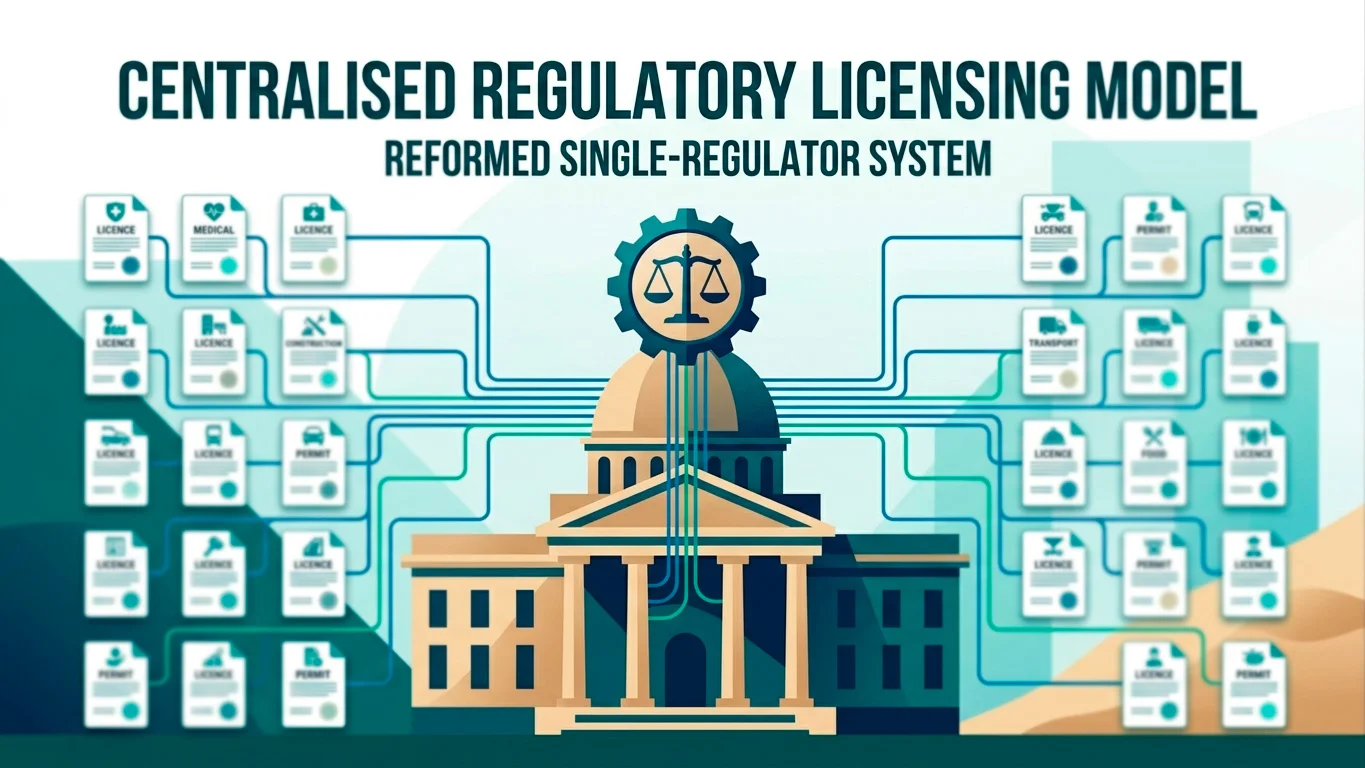
Historically the cheapest and most common offshore credential, built on an old master-licence model where a handful of master licensees issued sub-licences to operators. That model has now been replaced by a single state regulator and a direct licensing regime, which raises the floor but does not bring Curacao anywhere near UKGC standards.
Anjouan
An explicitly entry-level credential issued under Comoros law. It is fast and inexpensive to obtain, which is exactly why it has become popular with newer offshore brands, and it generally does not authorise service to UK players in any meaningful sense.
Malta, Gibraltar, Isle of Man
Stronger offshore regulators with real supervision. You will see them mentioned by affiliates, but a site holding one of these and seriously courting UK players would normally need a UKGC licence too, which is why they are rarely the licence behind a true non-GamStop casino.
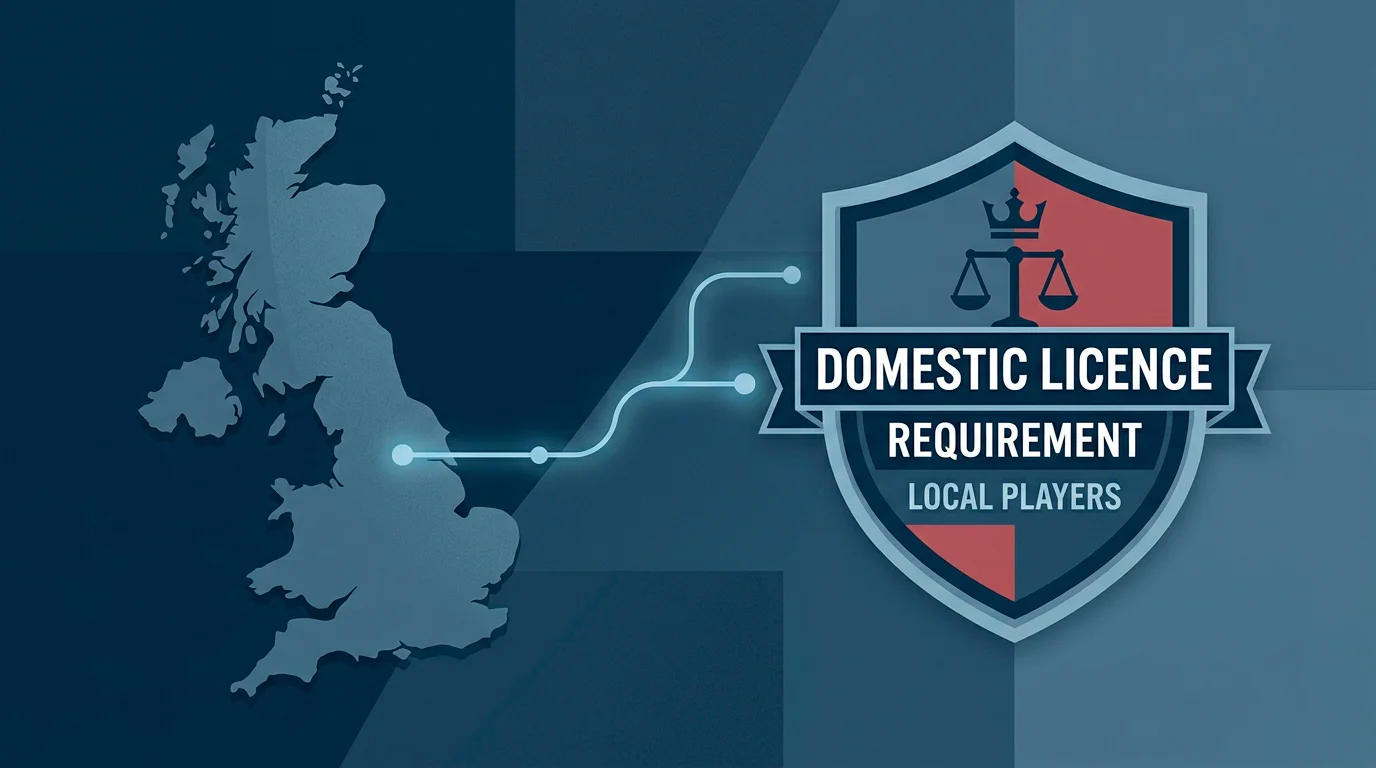
The reason the licence matters so much comes back to the point-of-consumption principle in UK law. It does not matter where a server sits or where a company is registered; if an operator provides gambling facilities to people in Britain, the UK expects it to hold a UK Gambling Commission licence. A site that chooses a Curacao or Anjouan credential instead is, in effect, choosing to operate without that authorisation. That choice is what keeps it outside GamStop, but it is also what places it outside every consumer safeguard the Commission enforces, from segregated player funds to approved dispute resolution.
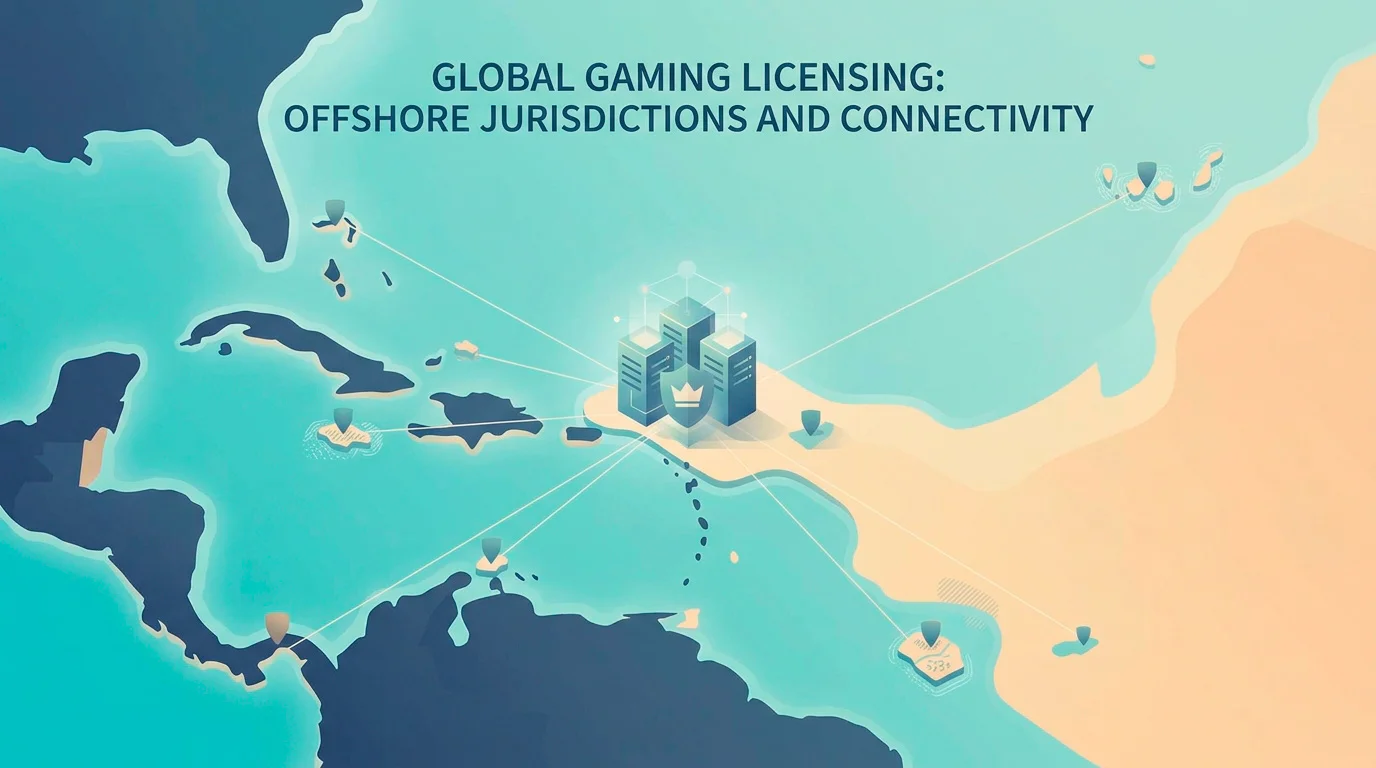
Geography is part of the story too. The non-GamStop market clusters in a small number of jurisdictions that have built their economies partly around remote-gambling licensing, and the licence behind a site tells you a lot about how it is likely to behave. A brand that leads with crypto, enormous bonuses and a sign-up that takes seconds is far more likely to be sitting on a cheap credential than on a supervised one, because the looser the regulator, the more of those features it can offer without challenge.
One point worth stating plainly: a licence is not a guarantee. Even the reformed Curacao regime is a long way from the consumer protections British players are used to, and an Anjouan credential offers less still. Knowing how to read and check a licence number matters, which is why this cluster routes through to a separate walkthrough on verifying offshore credentials within the safety material.
How do the main offshore options compare?
Because reliable, verifiable data on individual brands is thin and changes constantly, the most honest comparison is by licence and jurisdiction rather than by a ranked list of names. The table below sets out the practical profile of each credential a non-GamStop site is likely to hold, with at least one objective risk marker for every row. It deliberately avoids any best, top or favourite language, and it omits anything that cannot be supported from a primary record.
| Licence / jurisdiction | Regulator | Era / status | Typical features | Neutral assessment | Objective risk marker |
|---|---|---|---|---|---|
| Curacao (post-LOK) | Curacao Gaming Authority | Direct licensing since 24 Dec 2024 | Crypto and fiat, large bonuses, broad game range | Reformed but still far below UKGC standards | No UKGC protection, no GamStop integration |
| Curacao (legacy sub-licence) | Former master-licence holders | Being phased out under reform | Similar feature set, older operators | Assessed as weaker oversight than new regime | Unclear regulator accountability, transitional status |
| Anjouan (AOFA) | Anjouan Offshore Finance Authority | Entry-level, fast issue | Common on newer crypto-led brands | Lowest credible barrier to entry | Generally not authorising UK service, thin supervision |
| Malta (MGA) | Malta Gaming Authority | Established, supervised | Stricter terms, recognised standards | Stronger, rarely a true non-GamStop site | Site courting UK players would normally also need a UKGC licence |
| Gibraltar / Isle of Man | Gibraltar Gambling / Isle of Man GSC | Established, supervised | Mature operators, conservative marketing | Stronger oversight, UK overlap likely | Uncommon as a non-GamStop offering for the same reason |
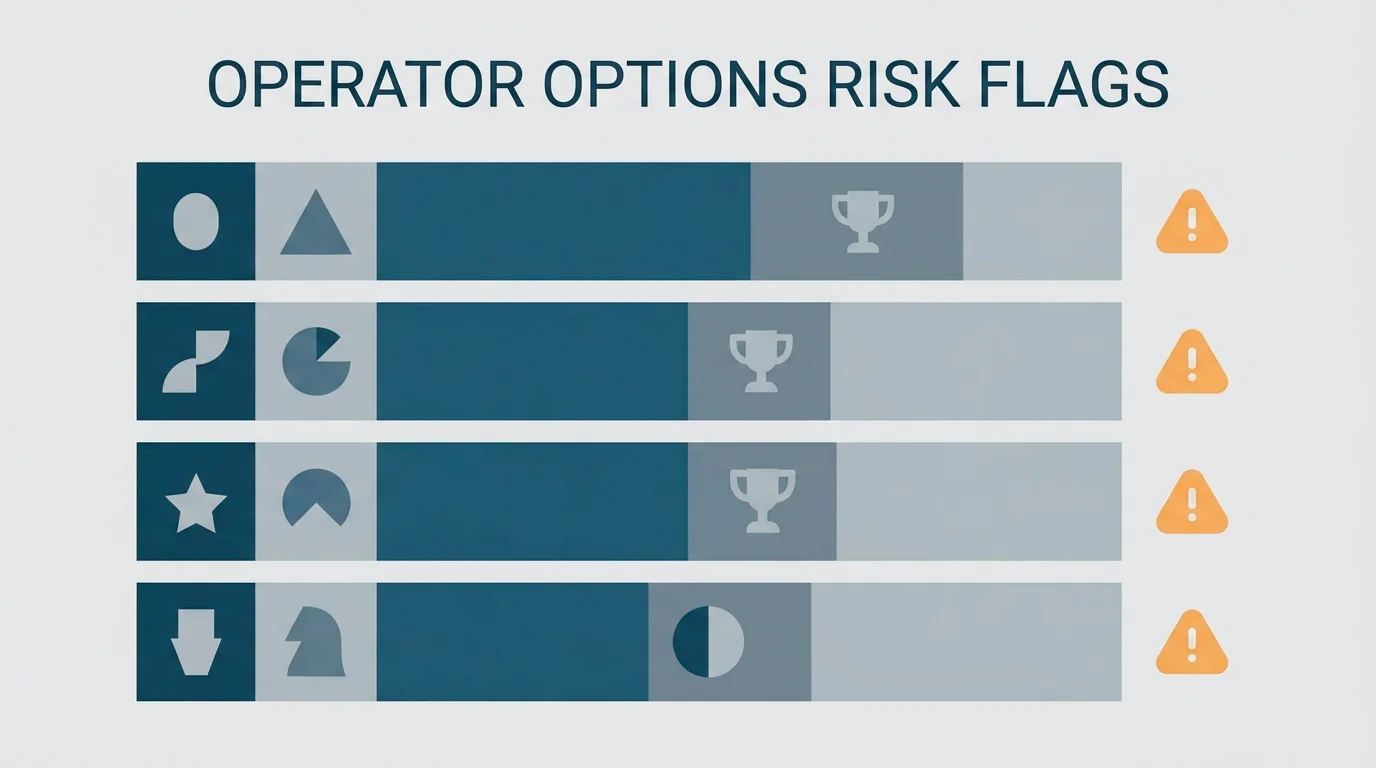
The takeaway from the table is not which jurisdiction wins. It is that every row carries a protection gap relative to a UKGC-licensed site, and the cheaper the licence, the wider that gap tends to be. If you want to understand exactly what that gap costs you in practice, the side-by-side breakdown of the legal status of these operators is the right next step.
What did the Curacao reform actually change?
Curacao spent years as shorthand for cheap, lightly supervised licensing, and that reputation was earned. Under the old system, four master licensees effectively resold gambling permits as sub-licences, which left accountability diffuse and made it hard for a player to know who, if anyone, was really regulating a site. That model has now been dismantled.
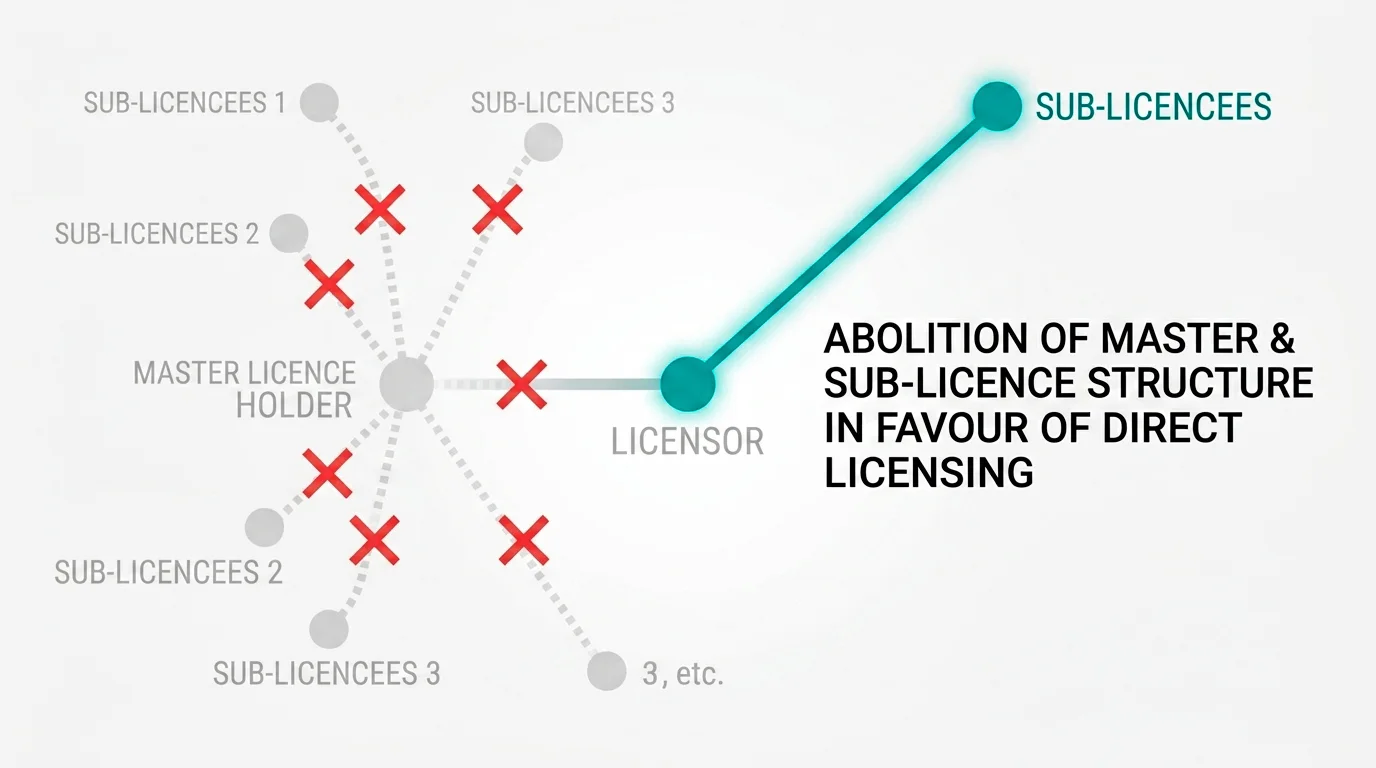
The National Ordinance on Games of Chance, known by its Dutch abbreviation LOK, was approved by the Curacao Parliament on 17 December 2024 by thirteen votes to six and came into force a week later on 24 December 2024. It abolished the master-licence and sub-licence structure entirely and recast the former Gaming Control Board as the Curacao Gaming Authority, a single state regulator that is now the only body issuing licences directly. The reform also brought in mandatory testing, a local-presence requirement, stronger anti-money-laundering obligations and a formal complaints process. You can read the regulator’s own account of the change on the Curacao Gaming Authority site.
It is a meaningful upgrade on paper. What it is not is a substitute for UKGC protection. A reformed Curacao licence still gives a British player no access to GamStop, no UK affordability safeguards and no recourse through a UK-approved dispute body. The reform tells you the regulator is more serious than it used to be; it does not tell you the site is safe for someone who has self-excluded at home. For the regulator’s view of the UK side of that equation, the Commission sets out its expectations and its public register on the UK Gambling Commission website.
Where does an Anjouan licence sit on credibility?
If Curacao is the reformed middle ground, Anjouan is the entry level. The licence is issued under Comoros legislation through the Anjouan Offshore Finance Authority, and it is attractive to operators precisely because it is quick and cheap to obtain. Reported issue times run to roughly four or five weeks and the annual fees sit in the low tens of thousands of euros, which is a fraction of what a serious regulator demands. For a new brand that wants to launch fast with crypto deposits and minimal friction, it is the path of least resistance, which is why it shows up so often on sites built around low-verification sign-ups.

It also helps to be clear about what an entry-level credential does and does not do. A licence from a serious authority involves ongoing audits, fund-handling rules, advertising controls and a real complaints route. An entry-level credential is closer to a registration: it confirms the operator exists and has paid a fee, but it carries far less assurance that the site is being actively supervised, that player funds are kept separate from operating money, or that a complaint will be independently examined. That distinction is invisible from a casino’s glossy homepage, which is exactly why it is worth spelling out here.
For a player, the credibility question is harder. An Anjouan credential generally does not authorise service to UK players, the supervision behind it is thin, and the practical ability to escalate a frozen withdrawal or a disputed bonus is limited. That is not a reason to assume every Anjouan-licensed site is a scam, but it is a reason to treat the licence as a risk marker rather than reassurance. The link between this licensing tier and the low-verification model is direct, and the cluster page on low-KYC casinos and the catch explains where that combination tends to bite.
What about the features people are actually chasing?
None of this means the appeal is imaginary. People look offshore for real reasons: fewer deposit and stake limits, far larger welcome packages, crypto support and faster sign-ups. Those features are genuine, and pretending otherwise would be as dishonest as the listicles that pretend the risks are not. The point of this cluster is to take each feature seriously and show where the trade-off lives.
On payments, offshore sites lean heavily on cryptocurrency and a wider spread of methods than a UK casino, and the practical mechanics — deposits, withdrawal timings and why crypto enables fast payouts at low-verification sites — are covered in the guide to how payments work at non-GamStop casinos. On bonuses, the headline offers can look enormous next to the new British rules, and the breakdown of non-GamStop bonuses and wagering shows exactly where the generous numbers turn into the terms that cause disputes. Read together, those pages give you the feature-by-feature reality rather than the sales pitch.
If there is one habit worth carrying into all of it, it is to treat the licence as the first thing you check rather than the last. The brand name, the bonus headline and the slick design tell you almost nothing about whether your money is safe or whether you will ever be able to withdraw it. The regulator behind the site, what that regulator actually supervises and whether you have any route to escalate a dispute are the questions that decide how an offshore account ends. Everything else on this site — the payment mechanics, the bonus terms, the legality split and the safety checklist — is really just a longer answer to those same questions, and you can follow whichever thread matters most to your own situation from here.
Support if gambling stops being fun
This site is informational and does not encourage anyone to get around a self-exclusion. If you have used GamStop because gambling was causing harm, opening an offshore account is unlikely to be a good outcome for you. Free, confidential help is available in the UK around the clock. You can call the National Gambling Helpline, run by GamCare, on 0808 8020 133, which is free and open 24 hours a day, every day. You can also reach the self-exclusion scheme at GamStop and find prevention and support resources through GambleAware. The TalkBanStop partnership combines support, the self-exclusion register and free blocking software in one place.
About the author
Owen Radcliffe has spent over twelve years tracking the UK online gambling market, with a particular focus on licensing, self-exclusion frameworks and the offshore operators that sit outside the GamStop scheme. His work centres on explaining how UK Gambling Commission rules, payment restrictions and player-protection tools actually affect people in practice, rather than in theory. He writes plain-language analysis aimed at helping readers understand the regulatory and financial trade-offs before they act. More about Owen Radcliffe.
The full picture is in our guide to casinos not on GamStop.
Checking the licence they claim: the verification guide.