Why are non-GamStop bonuses so big, and where do disputes start?
 Available in GB
By , iGaming Regulation and Self-Exclusion Analyst — — 8 min read
The bonuses are the hook. Offshore welcome packages are advertised at numbers a UK player rarely sees any more — commonly £1,000 to £2,000 spread across several deposits, match percentages of 200 to 300 per cent, big batches of free spins and ongoing cashback. The headline is designed to make a UK casino’s modest offer look mean. What the headline never shows is the terms attached, and the terms are where almost every bonus dispute begins. This page explains why the numbers are so large, walks through the conditions that decide whether you ever see the money, and sets them against the new British rules so you can see how far apart the two regimes now are.
Table of Contents
Why do the headline numbers look so generous?
The size is a marketing decision made possible by the absence of UK rules. A UK-licensed operator now works under tight constraints on how bonuses can be structured, so it cannot realistically advertise a 300 per cent match with thousands of pounds attached. An offshore operator faces none of those limits, so it competes on the one number a new player notices first: the total headline value. The bigger the figure, the more sign-ups it attracts, and the terms quietly do the work of making sure the figure rarely converts into a withdrawal.
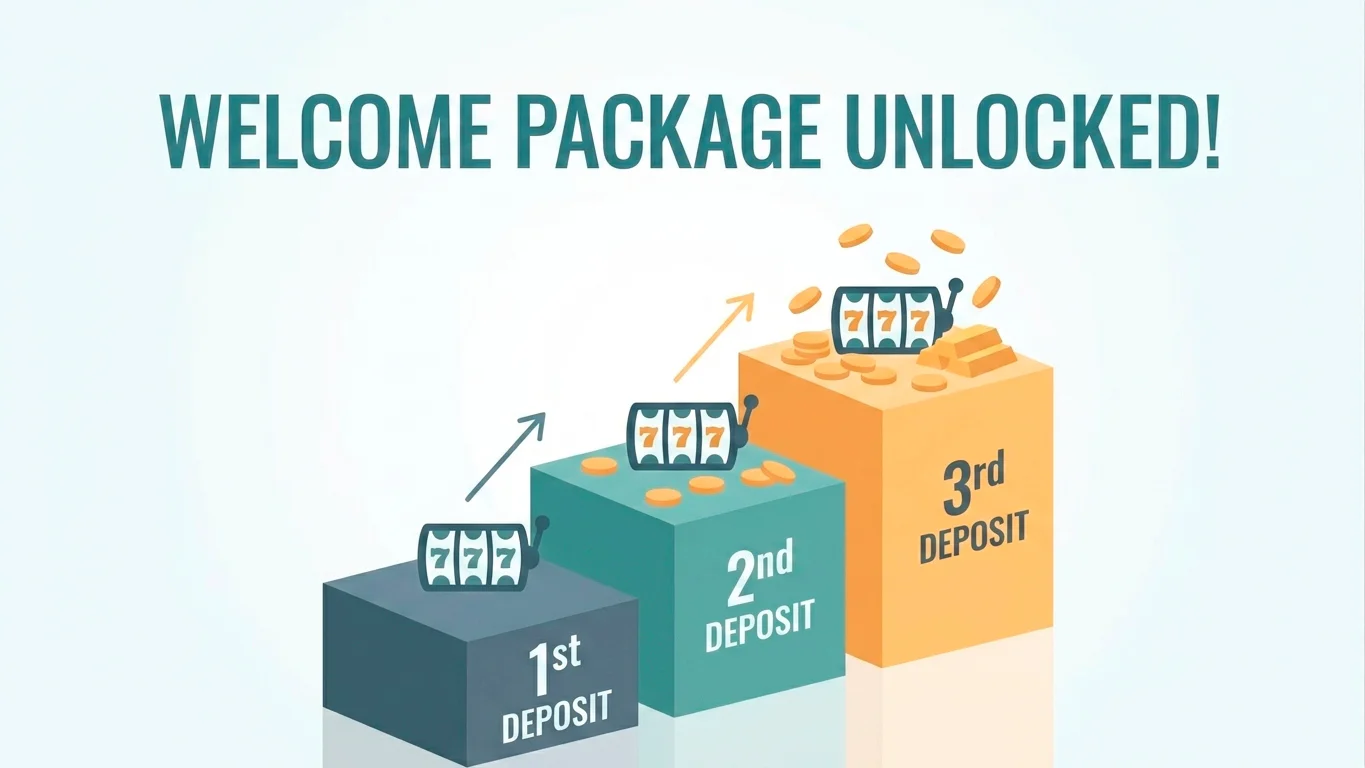
It helps to read a headline bonus as an invitation rather than a gift. The 200 to 300 per cent match is real in the sense that it credits to your account, but it is bonus money governed by a separate rulebook, not cash you can withdraw. The free spins are real too, but their winnings usually convert into more bonus money subject to the same conditions. Understanding that distinction — real credit, restricted money — is the whole game. For the wider context of which operators run these offers and why, the non-GamStop operator overview sets out the licensing behind them.
Which terms decide whether you keep the winnings?
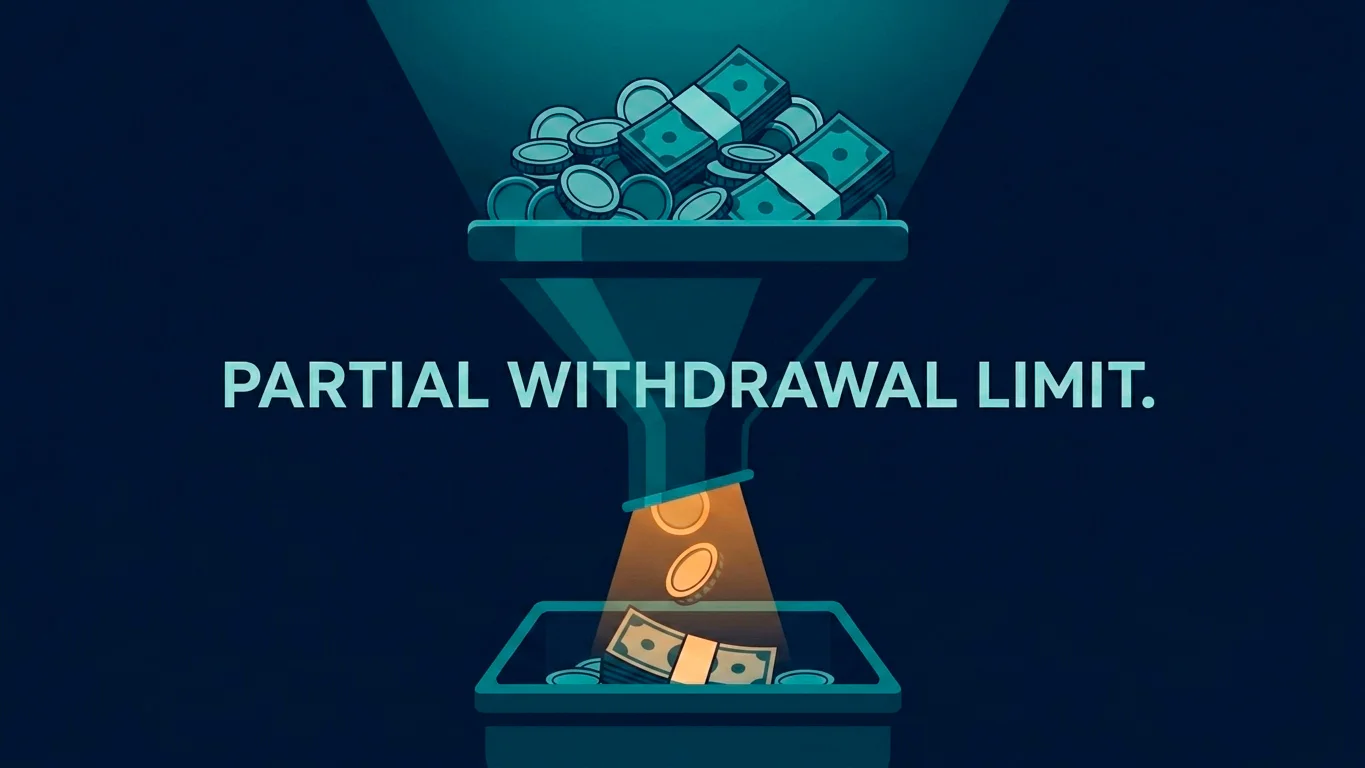
Three conditions do most of the damage, and they tend to appear together. The first is the wagering requirement, the number of times you must bet the bonus before any winnings can be withdrawn. The second is the max-bet rule, a cap on how much you can stake per spin or hand while a bonus is active. The third is the max-cashout limit, a ceiling on how much you can ever take out from bonus winnings, regardless of how much you actually win.

| Term | What it says | What it means for you |
|---|---|---|
| Wagering requirement | Often 35x to 50x the bonus | A £100 bonus at 40x needs £4,000 staked before withdrawal |
| Max-bet rule | Stake capped while bonus is active | One bet over the cap can void all bonus winnings |
| Max-cashout | Ceiling on bonus winnings withdrawn | You may keep far less than you won, even after wagering |
| Game weighting | Some games count little or nothing | Hours of play may barely move the requirement |
The max-bet rule is the one that catches people out most often. Imagine a player who clears most of a wagering requirement, then places a single bet above the cap without realising it — a stake of a few pounds over the limit. Under the bonus terms, that one breach can void the entire balance, wiping out winnings that took hours to build. It is not a glitch; it is written into the conditions, and it is one of the most common reasons offshore bonus disputes start. The page on where bonus disputes start looks at how those disputes tend to play out when there is no UK body to appeal to.
How do these terms compare with the new UK rules?
This is where the contrast becomes sharp. From 19 January 2026, UK-licensed operators have been working under a hard cap on bonus wagering: a requirement can be no more than ten times the bonus value. A £10 bonus can carry a playthrough of at most £100, where an offshore site might attach 40 or 50 times that. The same UK reform banned mixed-product promotions, the offers that make you gamble across more than one product type — placing a sports bet to unlock casino spins, for example — on the grounds that they confuse players and raise the risk of harm.
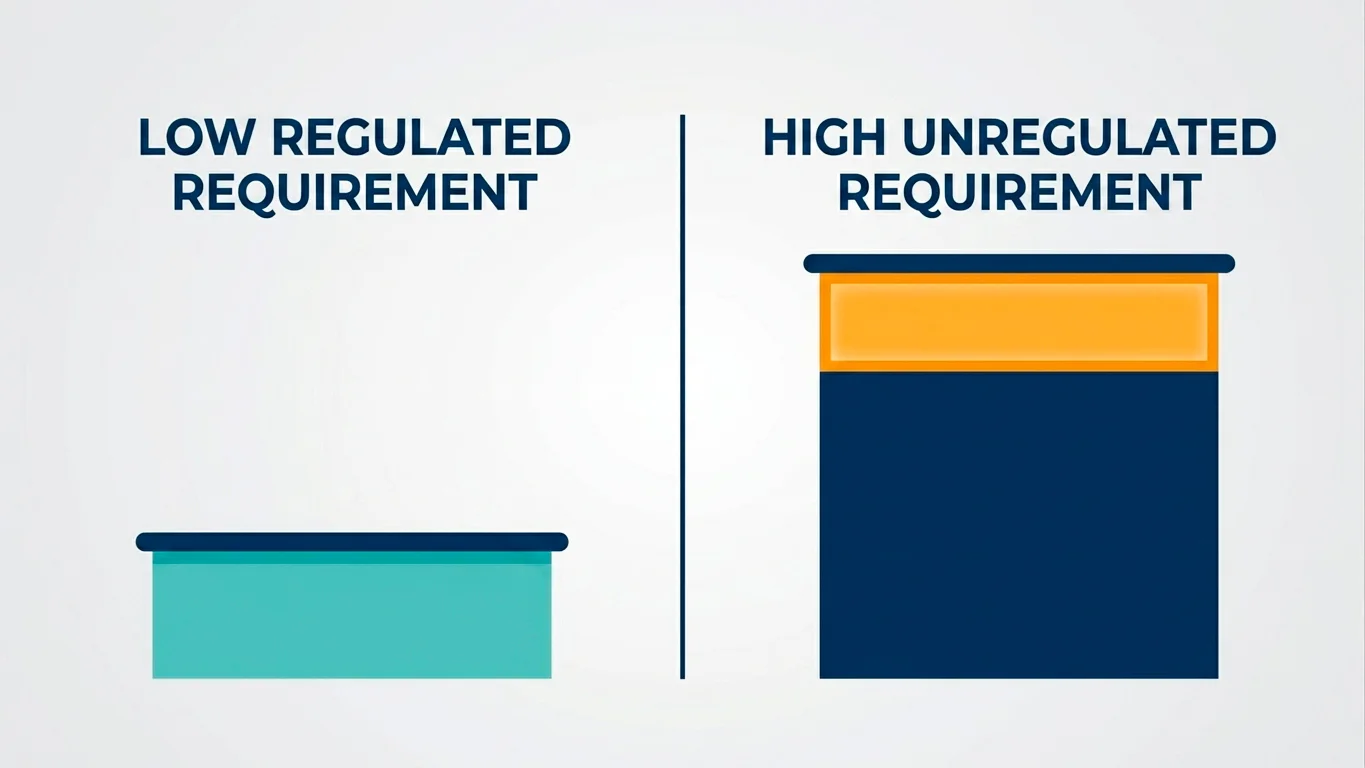
The effect is that a UK bonus is now smaller on paper but far more achievable, while an offshore bonus is larger on paper but governed by terms that make the headline number mostly theoretical. Neither is free money; the difference is that the UK version is capped by law and the offshore version is capped only by the operator’s own terms. You can read the regulator’s account of the bonus changes on the UK Gambling Commission website, and the policy background to the wider reform programme sits on GOV.UK. For a fuller side-by-side of the protections involved, the breakdown of the UK 10x wagering cap against offshore terms is worth a look.
What kinds of welcome offer will you actually see?
Offshore welcome packages come in a handful of recognisable shapes, and knowing which one you are being offered changes how you should read the terms. The most common is the match deposit, where the site adds a percentage of what you put in, often spread across your first three or four deposits to inflate the headline total. Then there are free-spin bundles, sometimes attached to a deposit and sometimes advertised as no-deposit offers that need no payment at all — though those almost always carry the harshest wagering and the lowest max-cashout, because the operator is giving away nothing it expects to pay out. Reload bonuses and weekly cashback keep existing players depositing, and they tend to come with lighter terms than the first welcome offer precisely because they are aimed at people who already play.
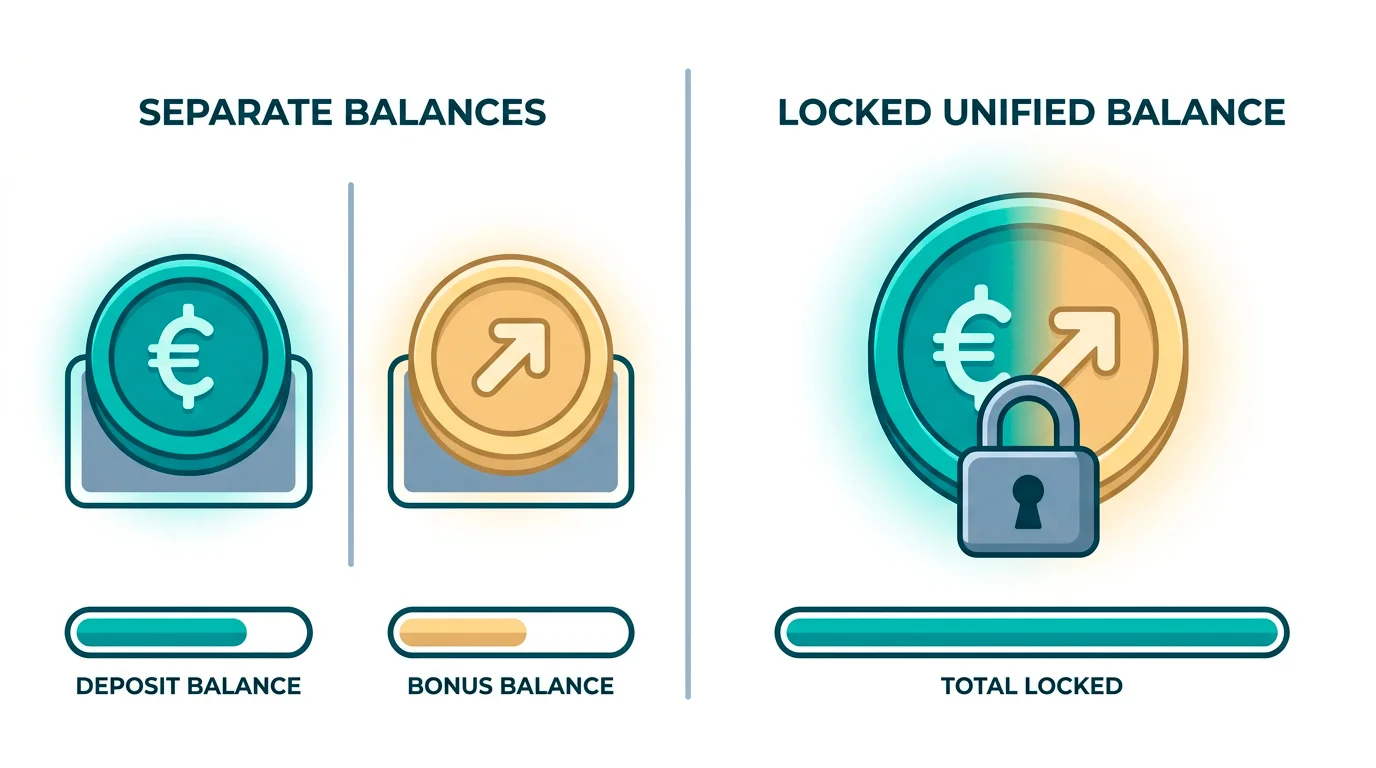
The distinction that matters most, and the one least often explained, is between sticky and non-sticky bonuses. A non-sticky bonus sits alongside your own deposit, so you can play with your cash first and withdraw it without touching the bonus conditions at all — the friendlier arrangement. A sticky bonus merges your deposit and the bonus into one balance governed entirely by the wagering rules, which means your own money is locked behind the same playthrough as the bonus. If the terms do not make clear which kind you are accepting, assume the stricter reading. The honest test for any of these formats is the same one the rest of this page keeps returning to: not how big the number is, but how much of it the conditions will ever let you withdraw.
How should you read a bonus before you accept it?
The practical advice is unglamorous: read the terms before the headline. The numbers that matter are the wagering multiple, the max-bet cap, the max-cashout ceiling and the game weighting, and they are usually buried below the marketing. If you cannot find them quickly, that itself is a signal. A capped max-cashout combined with a high wagering requirement can mean that even a perfect run leaves you withdrawing a fraction of what you won, which makes the headline figure close to meaningless.
It is also worth remembering that the deposit funding the bonus has its own risks, since these offers usually run on the crypto-heavy payment model covered in the guide to how payments work at these sites. A generous bonus on a site that pays slowly, verifies late and caps your cash-out is not generous at all. The honest way to weigh any offshore welcome offer is to ignore the big number entirely and ask what the terms let you actually keep — and for the full picture of the trade-offs, the main guide to casinos not on GamStop ties the bonus, payment and protection threads together.
A note on bonuses and harm
Large bonuses are designed to encourage more play, and chasing a wagering requirement can keep someone gambling longer and faster than they intended. If you registered with GamStop because gambling was becoming a problem, an offshore bonus is not a fresh start. Free, confidential support is available across the UK at any hour. The National Gambling Helpline, run by GamCare, is on 0808 8020 133, free and open 24 hours a day, every day. You can also find help and prevention resources through GambleAware and the TalkBanStop partnership of support and blocking tools.
About the author
Owen Radcliffe has spent over twelve years tracking the UK online gambling market, with a particular focus on licensing, self-exclusion frameworks and the offshore operators that sit outside the GamStop scheme. He writes plain-language analysis aimed at helping readers understand the regulatory and financial trade-offs before they act. More about Owen Radcliffe.
The full picture is in our guide to casinos not on GamStop.
Where disputes end up without a UK regulator: the safety guide.