
What do you actually give up by leaving UKGC-licensed sites?
 Available in GB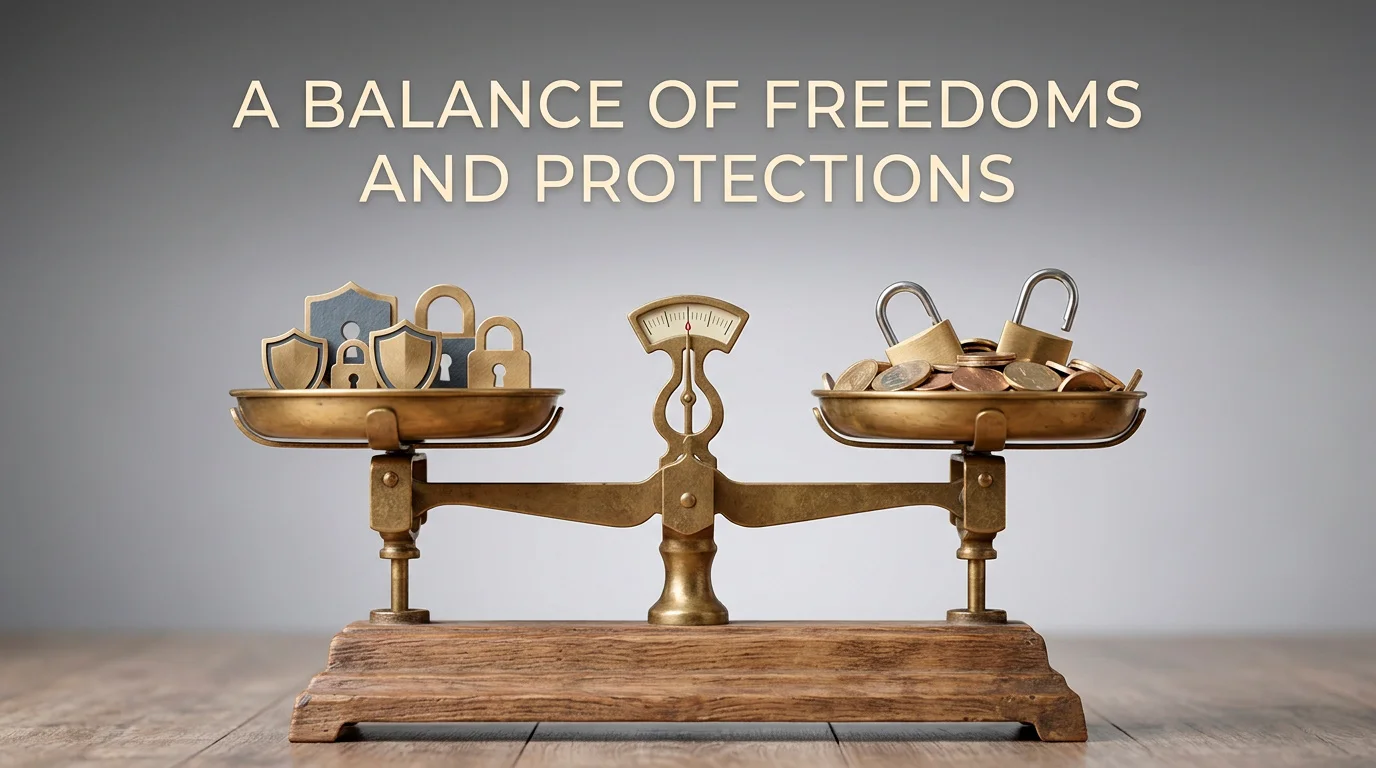
By Owen Radcliffe, iGaming Regulation and Self-Exclusion Analyst — — About 9 minutes to read
Most pages on this subject pick a side. The affiliate ones sell the freedom of offshore play; the cautionary ones list only the dangers. The honest version sits in between, because the choice is a genuine trade-off: leaving UKGC-licensed sites buys you certain freedoms and costs you a defined set of protections, and you cannot have one without the other. This page lays both columns out plainly so you can see what is actually being exchanged, rather than being told which answer to reach.
What are offshore players actually chasing?
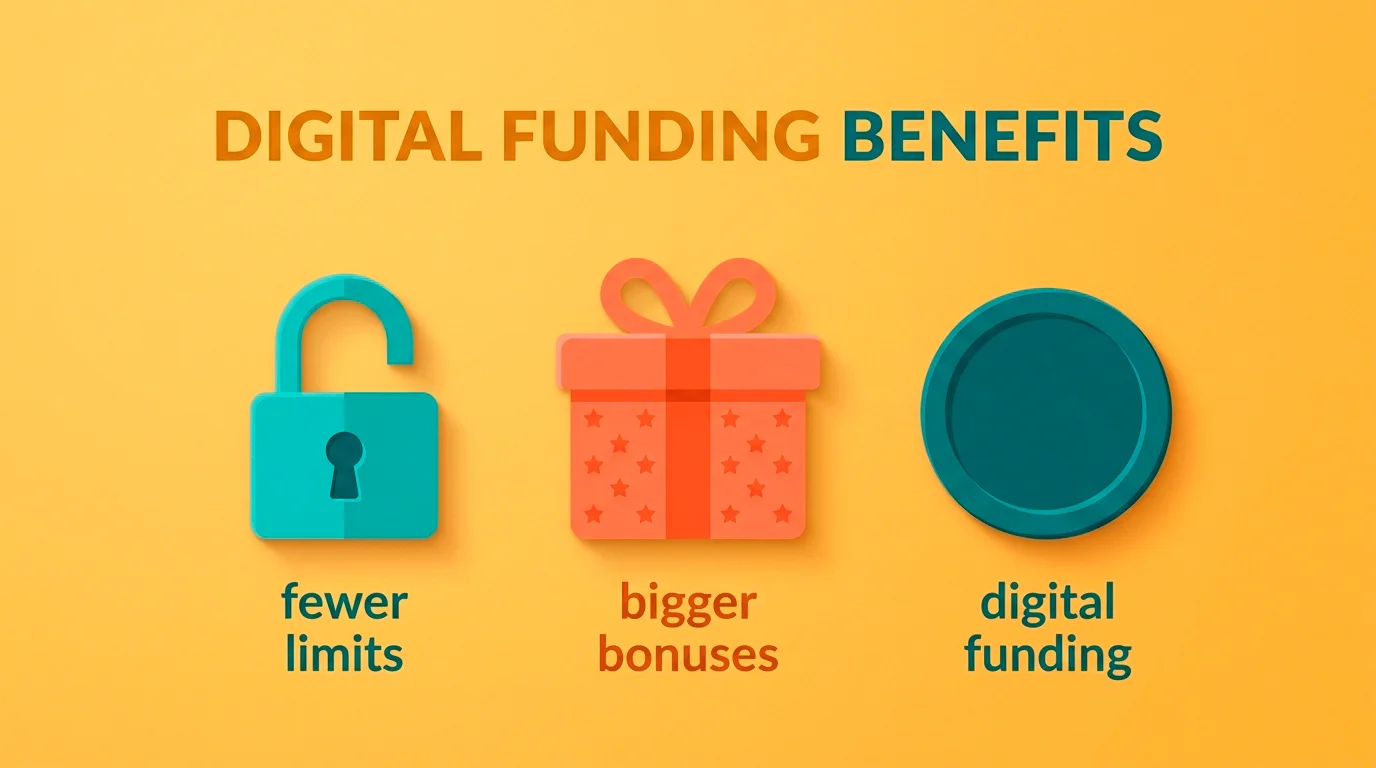
It is worth starting with the honest pull, because pretending the appeal is irrational helps nobody. People move offshore for concrete reasons. They want fewer limits, since UK sites now cap online slot stakes and run affordability checks that some players find intrusive. They want the bigger welcome bonuses that offshore operators advertise, which are larger partly because they are unconstrained by UK rules. They want crypto as a funding method, and they want access to game types that are restricted or banned on UK-licensed sites, such as certain crash games and bonus-buy features. None of that is imaginary, and a fair comparison has to put it on the table. The fuller picture of these operators and their features lives in the overview of the non-GamStop operators.
The catch, and there is always a catch, is that every one of those freedoms exists because a protection was removed. Fewer limits means no enforced ceiling on losses. Bigger bonuses come with heavier wagering terms and the dispute risk that follows. Crypto means no payment-rule protection and no chargeback recourse. So the freedoms are real, but they are not free; they are the same coin as the lost safeguards, viewed from the other side.
What protections does the UK licence actually give you?
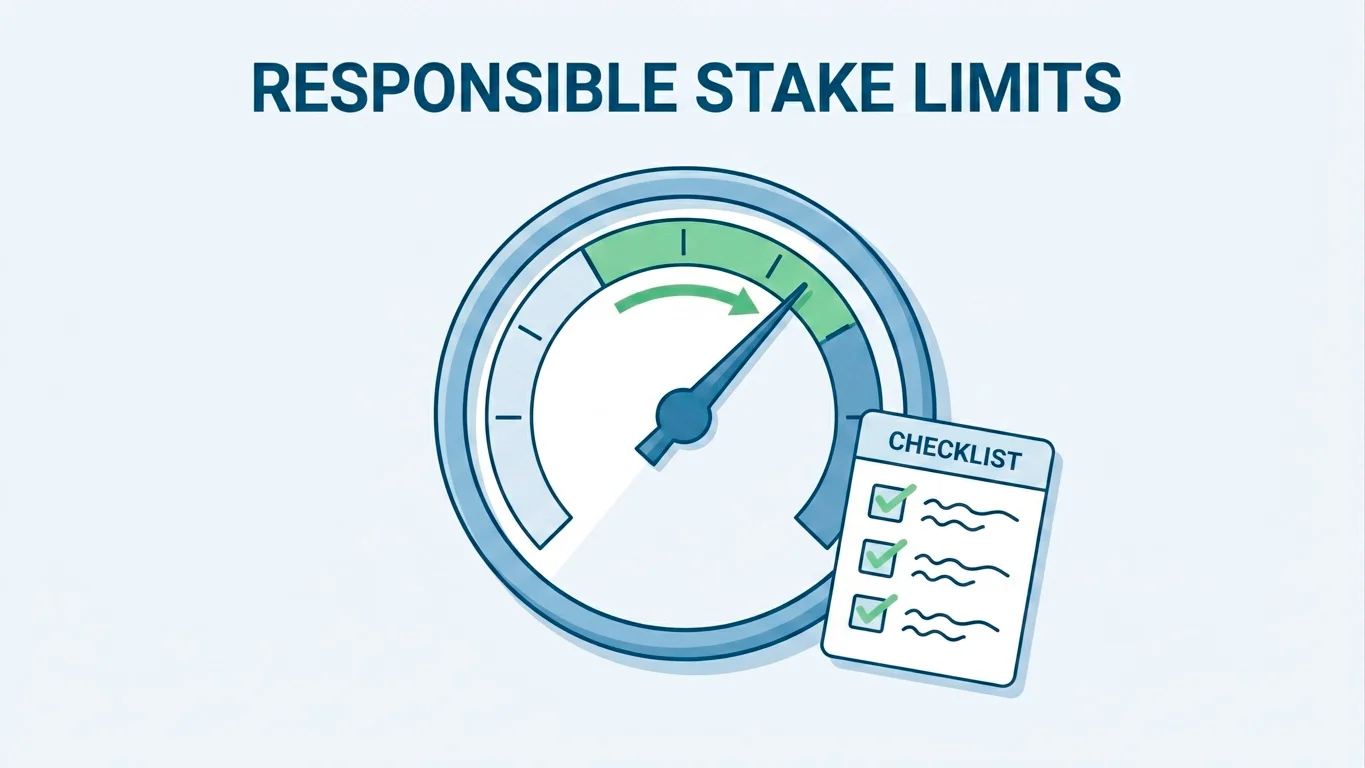
The UKGC perimeter is a bundle of specific, enforceable conditions, and it is easy to underrate them until you need them. UK-licensed operators must run financial-risk and affordability checks, which began as light, frictionless checks from 28 February 2025 and are set to roll out more fully toward the third quarter of 2026. They must apply the statutory online-slots stake limits, which are capped at £5 per spin for players aged 25 and over and £2 per spin for those aged 18 to 24. These limits were introduced by The Gambling Act 2005 (Operating Licence Conditions) (Amendment) Regulations 2025, the statutory instrument signed on 25 February 2025, with the £5 cap effective from 9 April 2025 and the £2 cap from 21 May 2025; the regulation itself can be read on the UK Gambling Commission site and the wider policy context on GOV.UK. Offshore, none of these limits apply, and stakes are effectively uncapped.
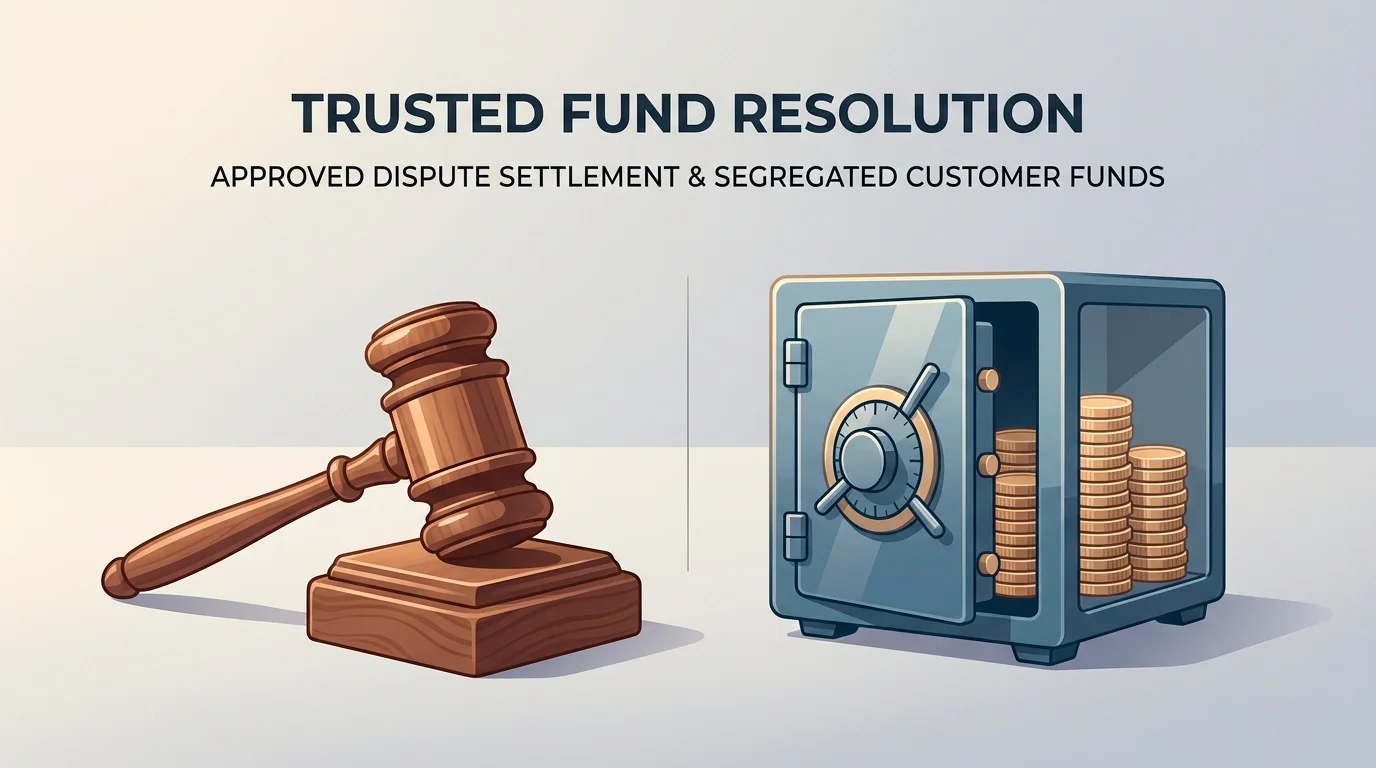
Beyond limits, the licence carries dispute resolution and fund protection. UK players have access to UKGC-approved Alternative Dispute Resolution, with a gambling ombudsman planned to strengthen that further, whereas offshore your only recourse is whatever weak foreign complaints process the licensor offers. UK operators must segregate customer funds to a disclosed standard, while offshore balances may be at risk if the company fails. And UK sites integrate with the national self-exclusion scheme, which offshore sites by definition do not. The legal foundation for why offshore operators escape all of this is set out in the page on whether non-GamStop casinos are legal.
| Protection | UKGC-licensed sites | Non-GamStop sites |
|---|---|---|
| Affordability / financial-risk checks | Light checks from 28 Feb 2025, fuller rollout toward Q3 2026 | None required |
| Online slots stake limit | £5 (25+) and £2 (18—24) per spin | Effectively uncapped |
| Dispute resolution | UKGC-approved ADR, ombudsman planned | Weak foreign complaints route only |
| Customer fund protection | Segregation to a disclosed standard | Balances may be at risk on insolvency |
| Self-exclusion | Integrated with GamStop | No GamStop integration |
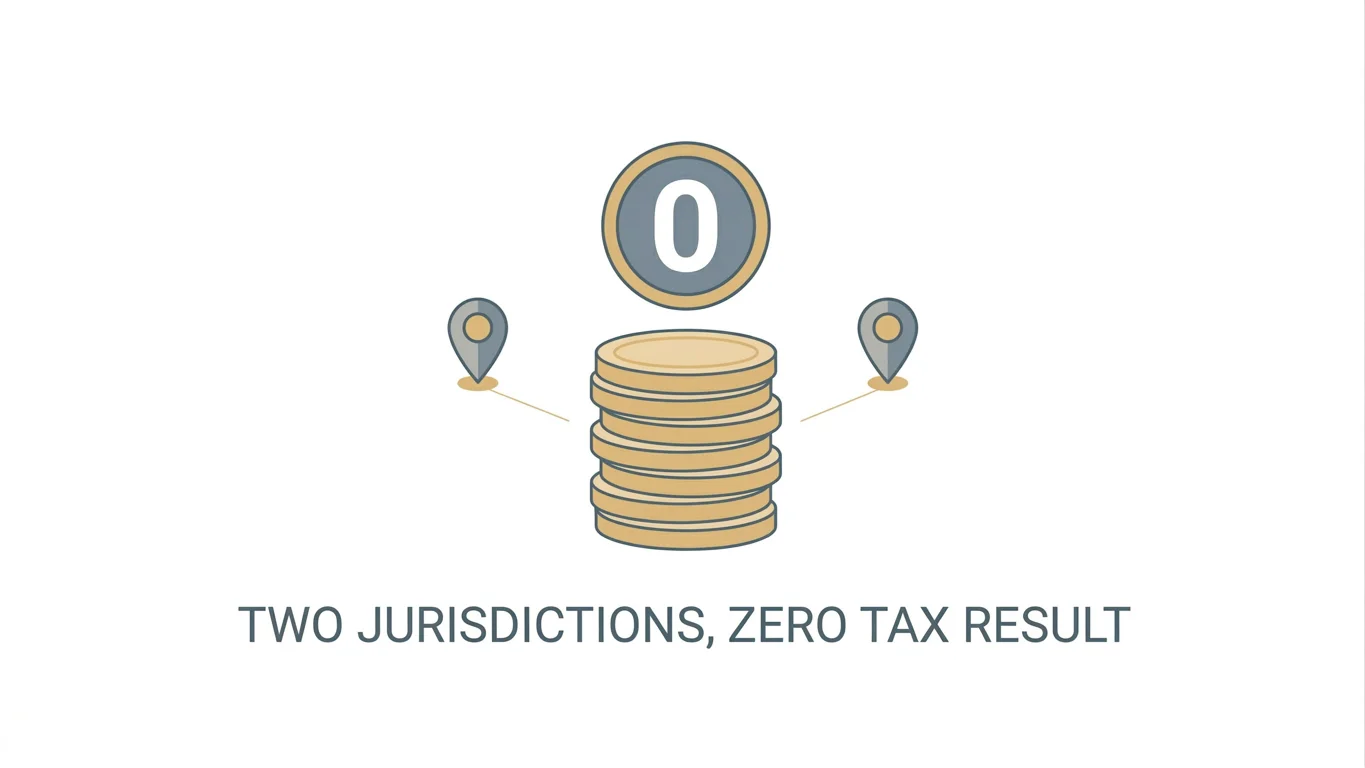
| Player winnings tax | 0% | 0% (same in any jurisdiction) |
Is there a tax advantage to going offshore? No.
One argument deserves to be retired completely, because it keeps surfacing in offshore marketing. Player winnings in the UK are taxed at 0%, and that has been the case for a long time. Crucially, the 0% rate applies regardless of where the operator is licensed, whether that is the UK, Malta, Curacao or anywhere else. The tax burden in the UK system falls on operators, not players, through duties like Remote Gaming Duty. So there is no tax saving to be had by moving offshore that you would not already enjoy on a UK-licensed site. If anyone presents low tax as a reason to leave the UKGC, they are describing a benefit you already have, which means it is not a reason at all.
The short version
Your winnings are tax-free on a UK site and tax-free on an offshore site. Tax is not an offshore advantage; it is a constant. Weigh the real trade-offs instead.
So how should you weigh the two columns?
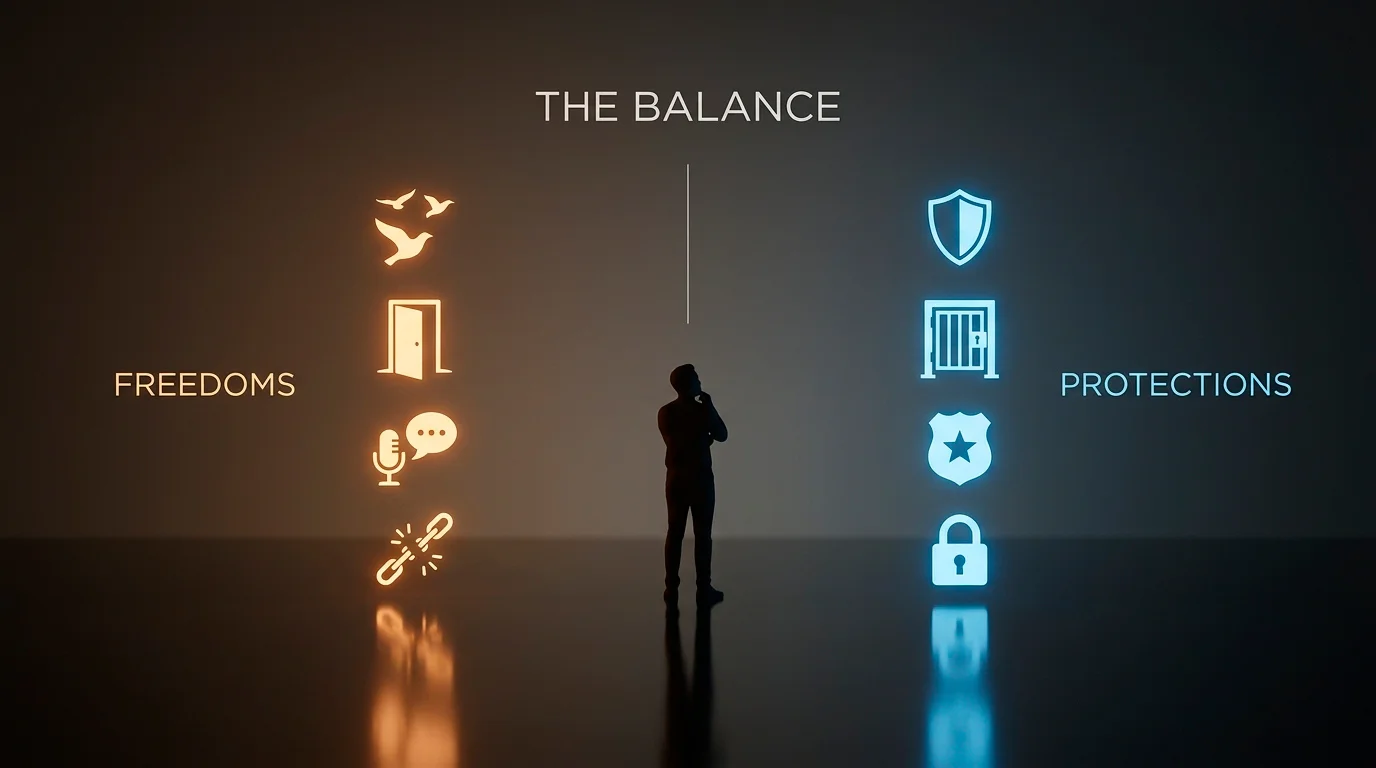
Lay the freedoms and the protections next to each other and the shape of the decision becomes clear. On one side: fewer limits, larger bonuses, crypto funding and a wider game range. On the other: enforced loss limits, affordability safeguards, a real dispute system, protected funds and self-exclusion. The freedoms are immediate and visible; the protections are invisible until something goes wrong, which is exactly why they are easy to undervalue in the moment and painful to miss later. Nobody can make this call for you, and I am not going to pretend there is a single right answer for everyone. What I will say is that the protections are worth most precisely to the people most likely to be drawn offshore by the freedoms, which is the uncomfortable symmetry at the heart of this whole topic.
If you do look at offshore sites, do it with eyes open. Verify any licence yourself, understand that your funds are exposed, and know what your recourse would and would not be. Those practical steps are covered across the cluster, from the safety and protection risks guide to the responsible route for ending self-exclusion the proper way if that is what is really on your mind. And if you want the whole landscape in one place, the main guide to casinos not on GamStop ties the legal, financial and safety threads together.
If the pull offshore is about something deeper
Sometimes the draw of fewer limits is really about wanting to gamble more than feels comfortable, and if that resonates, please reach out. The National Gambling Helpline, run by GamCare, is free, confidential and open 24 hours a day, every day, on 0808 8020 133. You can find support and self-assessment through BeGambleAware, and set a free self-exclusion through GamStop. There is no judgement in asking, and help is there whenever you need it.
About the author
Owen Radcliffe has spent over twelve years tracking the UK online gambling market, with a particular focus on licensing, self-exclusion frameworks and the offshore operators that sit outside the GamStop scheme. His work centres on explaining how UK Gambling Commission rules, payment restrictions and player-protection tools actually affect people in practice, rather than in theory. He holds a professional background in compliance research and regularly reviews published regulator guidance and consultation outcomes to keep his explanations current. Read more on his author profile.
The full picture is in our guide to casinos not on GamStop.
The legal side is separate: is it legal to play?