How can you check whether an offshore casino licence is real?
 Available in GB
By Owen Radcliffe, iGaming Regulation and Self-Exclusion Analyst — — About 9 minutes to read
A licence seal in a casino footer is a picture, not proof. Anyone can paste an image of a regulator’s logo onto a page, and plenty of rogue sites do exactly that, sometimes with a number that leads nowhere and a company name that does not match anything on the regulator’s books. The only verification that counts is the one you do yourself, on the regulator’s own portal, starting from the number and working back to a live record. This guide walks through how to do that, what a genuine entry should show you, and the warning signs that should stop you in your tracks.
Table of Contents
- Why does the footer seal tell you almost nothing?
- Which licences actually mean something, and which barely do?
- How do you actually verify a number on the regulator’s site?
- What are the red flags that a licence is fake or misused?
- What should you do once a licence checks out, or does not?
- If gambling stops feeling like a choice
- About the author
Why does the footer seal tell you almost nothing?
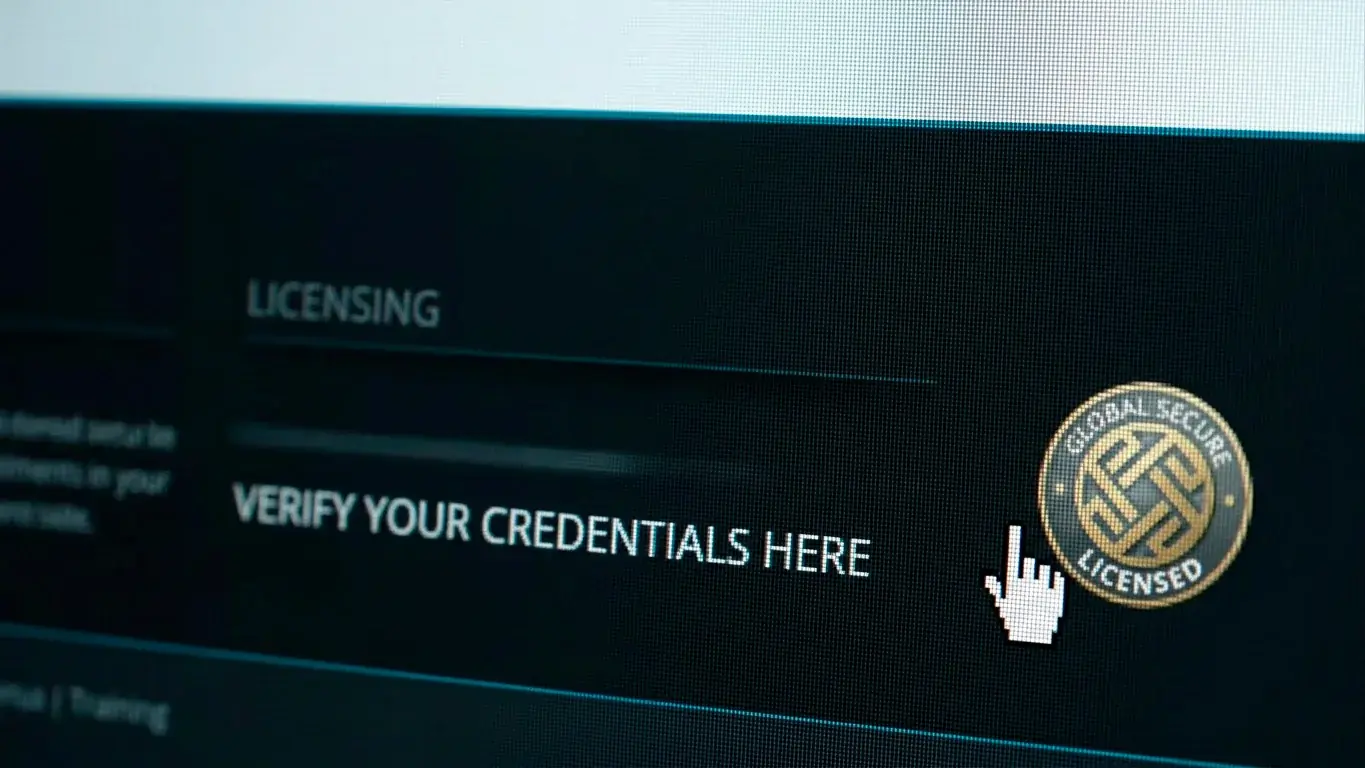
The instinct is reasonable: you see a recognised regulator’s badge, you assume someone checked. But the badge is just an image file served from the casino’s own server, fully under the operator’s control. A legitimate site links its seal to a live verification record held by the regulator; a dishonest one shows a static graphic that goes nowhere, or links to a lookalike page hosted on a domain that is not the regulator’s. The difference is invisible at a glance, which is exactly why footer trust is misplaced. You verify by leaving the casino entirely and going to the regulator’s site directly, then searching for the operator there. If the casino’s claim cannot be reproduced on the regulator’s own portal, treat the claim as false. This habit is the single most useful skill for anyone weighing up the non-GamStop operators, because the market is full of confident-looking sites with paper-thin credentials.
Which licences actually mean something, and which barely do?
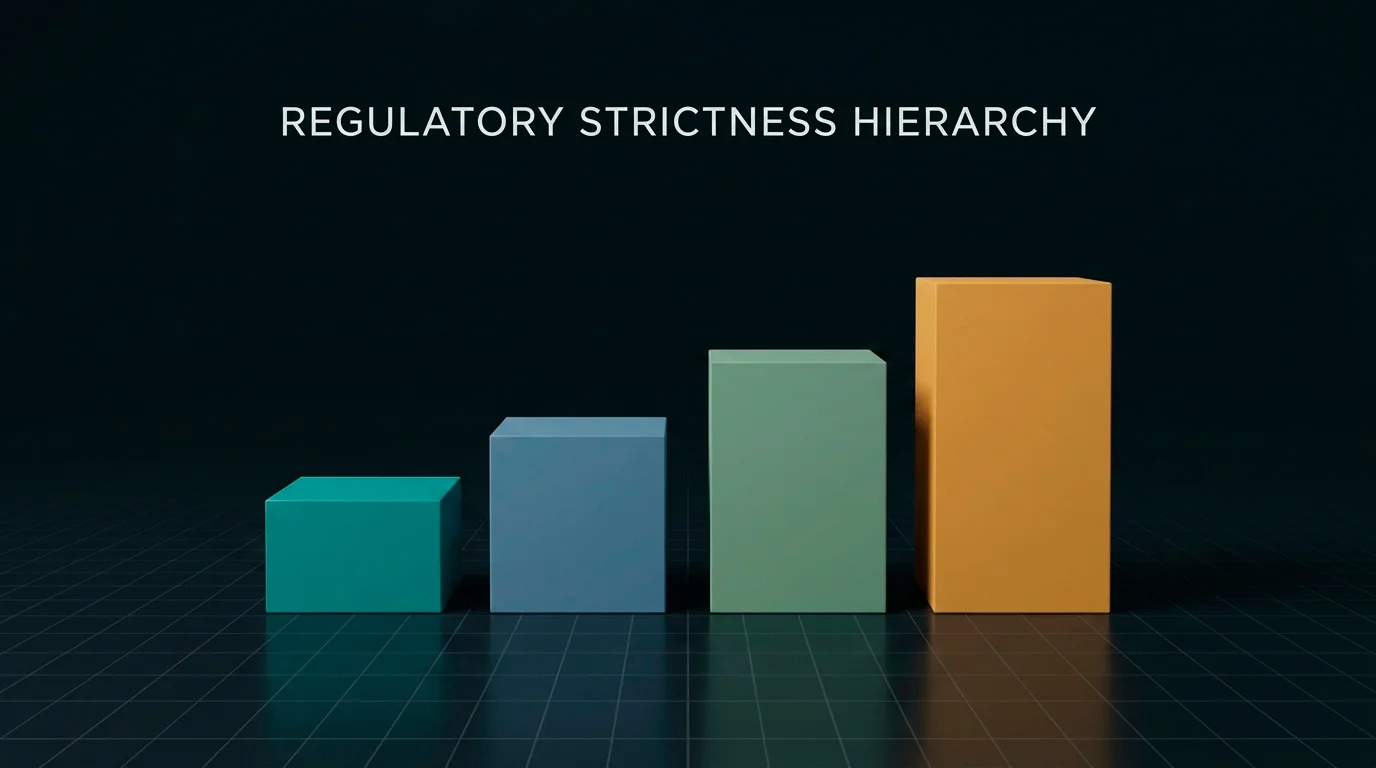
Not all offshore licences are equal, and treating them as interchangeable is a costly mistake. Two regulators dominate the genuinely non-GamStop segment, Curacao and Anjouan, but they sit at very different points on the credibility scale, and the European licensors are stricter still. Curacao has just been through a serious overhaul. The old model, where a handful of master-licence holders sub-licensed countless sites with little oversight, was abolished under the Landsverordening op de kansspelen (LOK) reform. A single state regulator, the Curacao Gaming Authority, now licenses operators directly, and dedicated anti-money-laundering rules took effect on 10 April 2025. You can read about the authority’s remit on the Curacao Gaming Authority site itself.
Anjouan, by contrast, is an entry-level credential. It is cheap and quick to obtain, and it generally does not authorise service to UK, US or French players in the first place. A site flashing an Anjouan licence while taking UK custom is, at minimum, operating outside the terms of its own permission, which tells you something about how seriously it takes the rules. Malta and Gibraltar are materially stricter than either, but operators holding those licences and serving British players would normally still need UK authorisation, so a Maltese seal is not a free pass either. The table below is a rough hierarchy, not a recommendation; the deeper question of legality is covered in the page on whether non-GamStop casinos are legal.
| Jurisdiction | Oversight level | Key point for a UK reader | Risk marker |
|---|---|---|---|
| Curacao (CGA, post-LOK) | Improving, direct state licensing | Single regulator, AML rules from April 2025 | Still no UK consumer protection |
| Anjouan | Entry-level, light | Generally excludes UK/US/FR players | Credibility concerns, often used beyond its scope |
| Malta (MGA) | Stricter | Reputable, but UK service still needs UKGC cover | A Maltese licence is not a UK licence |
| Gibraltar | Stricter | Established regime, UK-facing service still needs UKGC | Foreign recourse only for UK players |
How do you actually verify a number on the regulator’s site?
The mechanics are simpler than they sound, and they are the same in spirit wherever the operator claims to be licensed. Start by finding the licence number and the licensed company name, usually buried in the casino’s terms or footer text rather than the badge itself. Note both, because they have to match. Then go independently to the regulator’s official website, not via any link on the casino, and find its public register or licence-lookup function. Enter the number, and check that the live record names the same company, shows an active status, and lists the activities the site is actually offering. A valid Curacao entry under the new CGA regime should resolve to a real, current record with the operating entity clearly identified. If the number returns nothing, or returns a different company, the claim has failed verification and you should walk away.
For the same reasons that apply to UK operators, it is worth cross-checking against the UK regulator too. The UK Gambling Commission maintains a public register where you can confirm whether a company holds British authorisation, and the answer for a genuinely non-GamStop site will almost always be no. That absence is itself information: it confirms you are outside the UK protective perimeter, whatever the offshore paperwork says. None of this guarantees a site is safe even when a number checks out, which is why verification is a first filter rather than a seal of approval, and why the wider risk picture in the safety guide matters just as much.

What are the red flags that a licence is fake or misused?
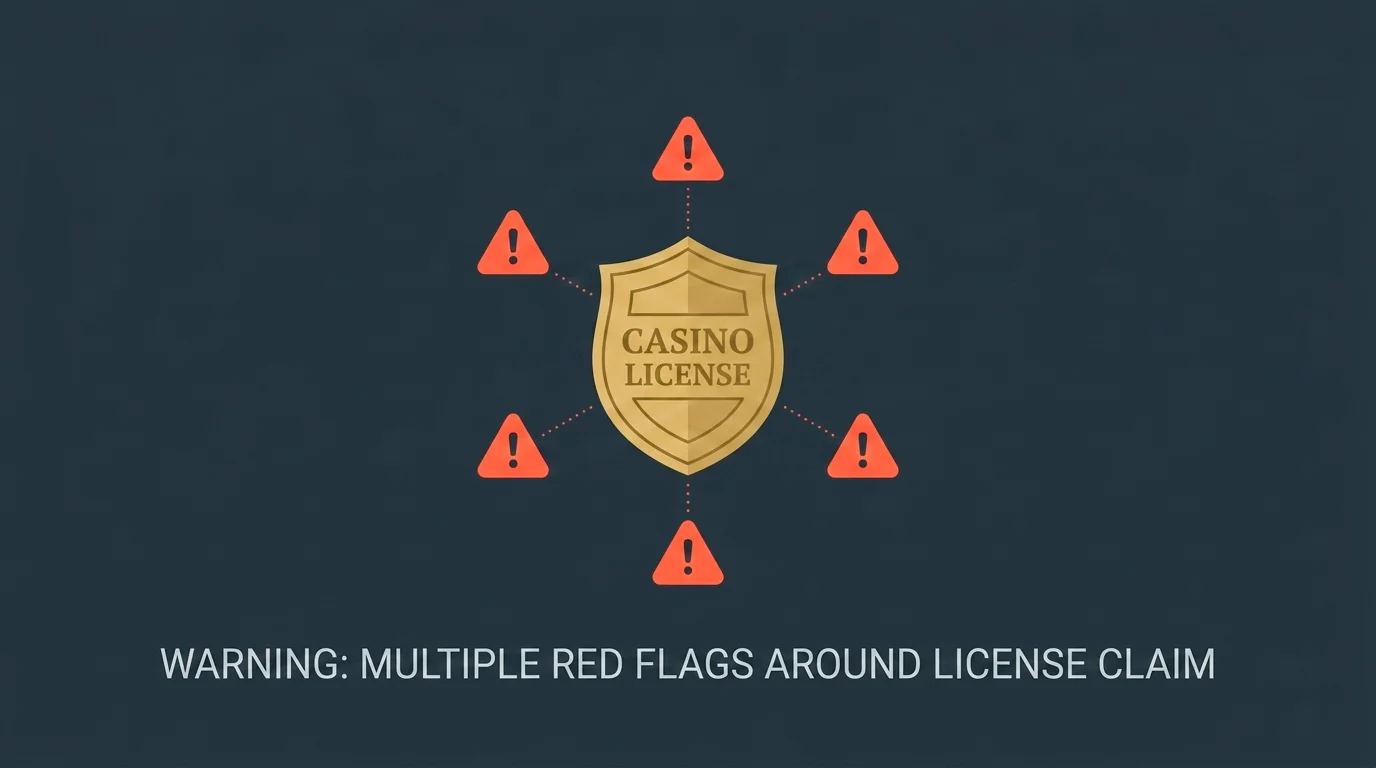
Once you start looking, the warning signs are fairly consistent across rogue operators. None of them is conclusive on its own, but more than one together is a strong reason to stop. The list below is the pattern I keep seeing when readers send me sites to look at, and it is worth memorising before you ever enter card details.
A dead or image-only seal
The badge does not link anywhere, or links to a page on the casino’s own domain rather than the regulator’s. A genuine seal resolves to a live regulator record.
A mismatched company name
The licence record names a different entity from the one in the casino’s terms. Operators sometimes reuse another company’s licence, which means the protection, such as it is, does not apply to the site you are on.
A number that returns nothing
You enter the licence number on the regulator’s portal and get no result. There is no innocent explanation for a live operator whose number does not exist on its own regulator’s register.
An Anjouan licence used to take UK custom
The credential generally does not authorise UK players, so a site relying on it to serve British customers is already operating outside its own terms.
No verifiable licence at all
Some sites simply assert they are “licensed and regulated” with no number, no jurisdiction and no link. That is the clearest signal of all.
What should you do once a licence checks out, or does not?
If a number fails verification, the decision is easy: do not deposit. If it passes, the work is not over, because a real offshore licence still does not give you UK-grade protection, segregated funds or access to the UK dispute system. Verification tells you the regulator exists and the operator is on its books; it does not tell you the operator will pay you. Treat a clean check as the bare minimum that lets you keep reading, not as a green light. I would always pair it with the broader due-diligence steps in the safety guide and with a clear-eyed view of what UK oversight you are giving up, which the comparison between casinos not on GamStop and licensed sites lays out. The point of this page is not to make offshore play feel safe; it is to stop you trusting a badge that was never evidence of anything.
If gambling stops feeling like a choice
Checking licences is sensible, but the most important check is sometimes the one you make on yourself. If gambling is causing you distress, free and confidential help is available any time. The National Gambling Helpline, operated by GamCare, runs 24 hours a day, every day, on 0808 8020 133. Support and self-assessment tools are also available through BeGambleAware. Reaching out early is a strength, not a setback.
About the author
Owen Radcliffe has spent over twelve years tracking the UK online gambling market, with a particular focus on licensing, self-exclusion frameworks and the offshore operators that sit outside the GamStop scheme. His work centres on explaining how UK Gambling Commission rules, payment restrictions and player-protection tools actually affect people in practice, rather than in theory. He holds a professional background in compliance research and regularly reviews published regulator guidance and consultation outcomes to keep his explanations current. Read more on his author profile.
The full picture is in our guide to casinos not on GamStop.
Which licences these sites actually hold: the comparison.