Live Roulette UK With English-Speaking Dealers
A clear look at real-time roulette, table formats, operator checks and the limits of bonuses and free play.
 Available in GB

Table of Contents
- What live roulette at a UK casino actually involves
- Roulette online: check the operator before you play
- Roulette casino sites and the limits of what you can verify
- Roulette tables, live dealers and game formats
- Recommended online casinos
- Choosing a roulette casino without falling for the sales pitch
- How to join a live roulette table and keep your spend in check
- Roulette bonuses: read the conditions before you count the money
- Free roulette play: what it can and cannot tell you
- Can you win at casino roulette? Keep the odds in perspective
- Lightning Roulette and other live variants
What live roulette at a UK casino actually involves
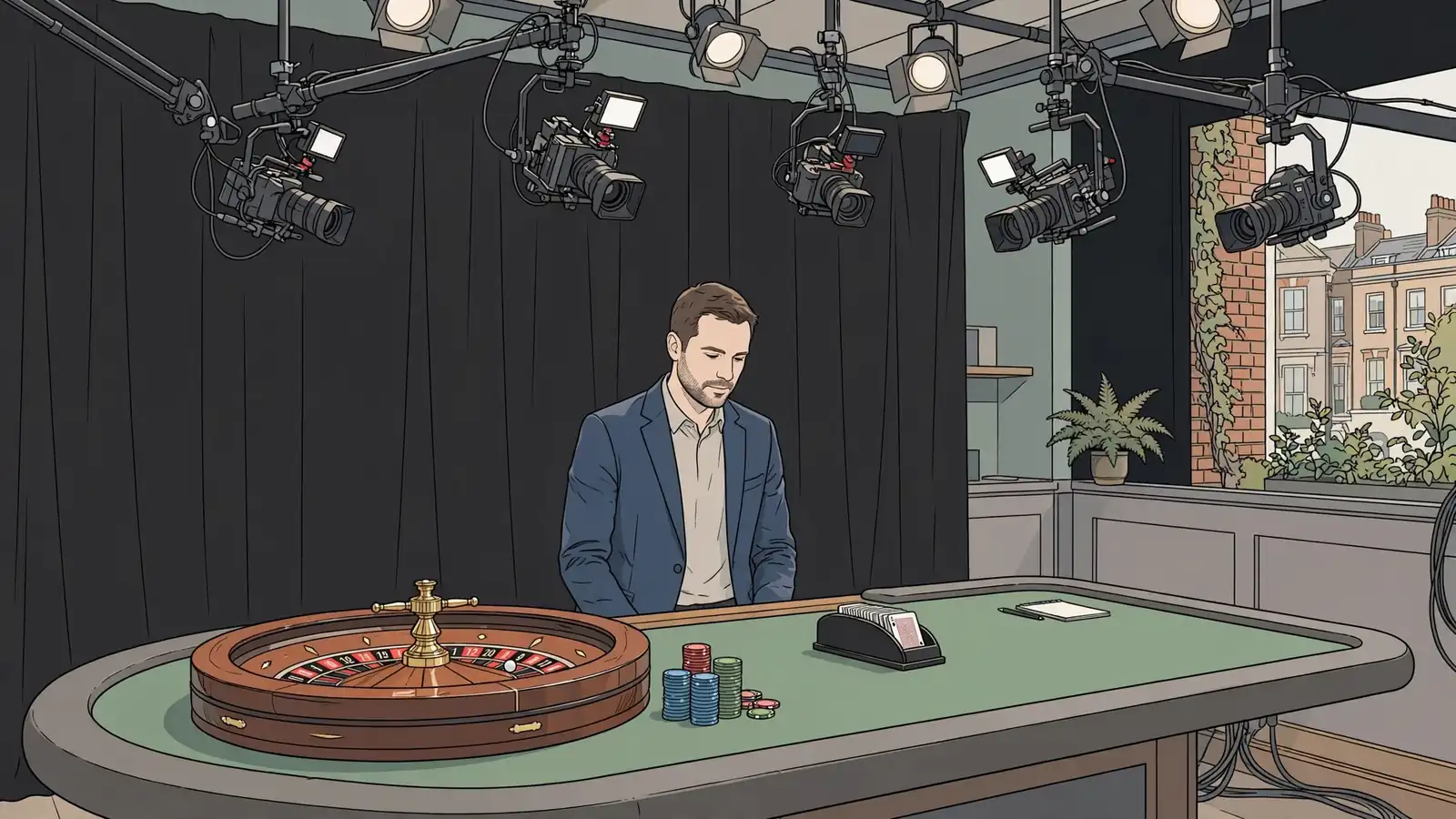
Live roulette is the closest online version of sitting at a casino table without travelling to one. The wheel, ball, layout and dealer are real. A camera sends the table to your screen, while software handles the interface around the broadcast. You see the wheel spin, watch the ball settle and follow the dealer’s announcements as the round moves along.
That distinction matters. A standard online roulette game is generated digitally, often with animation or a simulated wheel. Live roulette online is presented from a studio or casino floor with a person dealing the game. The screen may still show buttons, betting areas and account information, but the central event is happening at a physical table in real time.
I have found that the table feed changes the feel more than the label suggests. It is less like clicking through a game and more like joining a scheduled broadcast. There can be a pause while the dealer waits for the wagering window to close, then the wheel is spun and the result is announced. You are not simply watching a graphic change. You are following a sequence with a human voice and a visible table.
What the dealer adds
The English-speaking dealer is not just decoration in the corner of the screen. They explain what is happening, announce the stages of the round and respond to messages or requests where the table format allows it. Clear speech makes a practical difference when you are trying to follow the presentation, especially if the studio is busy or several things appear on screen at once.
A dealer may welcome players, indicate when wagering is open or closed, announce the winning number and confirm the result before the next round begins. Their role is to keep the table moving and make the broadcast understandable. If English is your first language, an English-speaking dealer removes one unnecessary layer of friction. You can concentrate on the table rather than translating routine announcements in your head.
Mines Casino Game UK: Demo, Rules and Real Play
That does not mean every dealer has the same style. Some are chatty and conversational; others keep their delivery short and formal. Some tables provide a text chat area, while others put more emphasis on the spoken presentation. The important point is that communication is part of the experience. A dealer who speaks clearly and consistently makes the table easier to follow.
I learned not to confuse personality with quality. A lively presentation can be entertaining, but it does not tell you anything about the underlying game. “Premium experience” often means a brighter studio and a more polished host. Look past the advertising phrase. What you are really getting is a live feed, a dealer-led presentation and an interface that lets you follow the table from your device.
The studio and the screen
A live roulette table is normally shown through one or more camera angles. The main view gives you the wheel and layout, while additional views may show the dealer or provide a closer look at the result. The exact arrangement depends on the table and the casino interface.
On a larger screen, the broadcast can feel fairly close to the view from a seat at the table. On a phone, the layout and video compete for space. You may need to switch between views or expand the table feed to see what the dealer is doing. That is part of the online casino experience: you are receiving a carefully arranged video presentation, not controlling a camera in the room.
There may also be details around the broadcast:
- a list of recent results;
- a display showing the current round;
- a chat panel;
- dealer identification;
- table status and open or closed wagering indicators;
- controls for sound, video quality or full-screen viewing.
These features help you read the table, but they do not turn it into a private session. Other players may be watching the same dealer and round. The dealer is addressing the table as a group, even when the interface makes the experience feel personal.
Connection quality affects the experience as well. A delayed or interrupted stream can make the presentation difficult to follow. When the picture freezes, the sound drops or the interface updates at a different pace from the video, the sense of being at a live table disappears quickly. That is one of the trade-offs of streaming a real game.
How it differs from a physical casino
At a physical casino, you hear the room around you, see people standing beside the table and deal with the atmosphere of the venue. Online, the table arrives through a screen. You can watch from home, but you do not share the same physical space as the dealer or other players.
The online format is also more structured. The camera chooses the view, the interface shows the table information and the broadcast follows the studio’s running order. You are not wandering between tables or asking a dealer in person to repeat something. An English-speaking live dealer helps bridge that gap by narrating the action and keeping the presentation clear.
The format can suit someone who wants the recognisable casino setting without the noise and travel. It can also feel less immersive if you prefer the physical surroundings of a casino. Neither description needs a sales label. It is simply a real roulette table delivered as a live video experience.
Live Dream Catcher Casino UK: Game and Site Guide
Grosvenor’s live casino offering illustrates how this format sits within a wider casino service. The operator first introduced its live games in 2013, with tables covering casino and card games such as blackjack, Texas Hold’em and roulette. Roulette is therefore one part of a broader live-table environment, not an isolated online animation.
What “live” does not mean
“Live” does not mean the dealer is waiting privately for you, or that the result is being changed according to who is watching. It means the table is being dealt and broadcast as a real-time casino presentation. The dealer controls the physical routine; the software carries the video, interface and account information to your device.
It also does not mean the experience is free from ordinary online limitations. You still depend on your connection, screen and audio. You may join a table already in progress, wait for the next round or move between available tables. The dealer’s presence makes the format human, but it remains an online casino session.
For me, that is the sensible way to understand live roulette in the UK: a filmed, dealer-led table experience with real equipment and real presentation, wrapped in an online interface. The English-speaking dealer matters because they make the sequence intelligible and interactive. The rest is the practical difference between watching a table through a screen and sitting beside it.
Roulette online: check the operator before you play
When I look at an online casino offering roulette, I start with the operator rather than the table. A polished lobby, a live video window and familiar payment logos tell you very little about who is responsible for the gambling service. The first useful question is whether the business is authorised to serve customers in Great Britain.
Online Casino Without ID in the UK: What It Means
For remote gambling aimed at Great Britain, the operator needs the relevant Gambling Commission licence. That requirement applies even when the company’s equipment, offices or technical systems are located elsewhere. In other words, a business cannot avoid the British licensing framework simply by hosting its servers abroad.
The UK Gambling Commission oversees gambling activity in the United Kingdom, including online casino services. For commercial gambling in Great Britain, it is the regulator with responsibility for this licensing system. The Commission grants operating permissions to businesses, while personal licences apply to individuals whose work falls within the regulated gambling operation. Those are separate things, and seeing a named company or employee mentioned on a website is not the same as confirming that the casino itself holds permission to operate.
Find the operator behind the roulette lobby
The name shown in a casino’s advertising is not always the legal name of the business. A brand may use one name in its logo and another in its terms, account pages or payment information. Before I treat a roulette casino online as suitable for a deposit, I look for the legal entity identified as the operator and the licence information attached to it.
Useful places to inspect include:
- the footer of the casino website;
- the terms and conditions;
- the account or responsible-gambling pages;
- the deposit and withdrawal information;
- the operator details displayed in the site’s licensing section.
I want these details to agree. If the brand name, company name and licence information do not line up, I stop there until the discrepancy is explained. A badge or a copied licence logo is not proof by itself. It is the entry on the regulator’s public register that matters.
That check is worth doing before creating a payment habit. I once treated a recognisable-looking badge as reassurance and only later checked the underlying business details. It was backwards. The register should come first, not after something goes wrong.
Use the public register, not the casino’s wording
The Gambling Commission’s register is the practical reference point for checking an online casino serving Great Britain. Search for the legal operator, then compare the listed details with the information on the roulette site. Check the business name, trading names where shown, licence status and the domains associated with the operation.
Do not assume that a result for one brand automatically covers every related website. A group can operate several brands, and a domain can change hands or be presented as part of a wider network. The precise site you intend to use should be covered by the operator information you have checked.
This is also where wording such as “licensed”, “regulated” or “approved” needs to be tested rather than admired. Marketing language can sound definite while leaving out the legal entity or the exact service covered. I prefer a plain match between the public register and the website details. Less exciting, more useful.
If you cannot identify the operator or cannot reconcile its claims with the register, do not deposit while trying to work it out. A roulette table can wait. Money should not be the tool you use to test whether a site is legitimate.
What licensing tells you — and what it does not
A current operating licence shows that the business falls within the British regulatory system. It does not mean every promotion is valuable, every withdrawal will feel effortless or every customer-service exchange will be pleasant. Licensing is the starting safety check, not a personal recommendation.
Licensing is the starting safety check, not a personal recommendation.
It also does not remove the need to read the casino’s own rules. The operator should make its account terms, payment conditions and complaints route available, and you should know which business is responsible for the service before using it. The licensing check answers an important question: whether the operator is authorised for this market. It does not answer every question about how you will experience the account.
Keep the distinction clear between an operating licence and a personal licence. The Commission can authorise a business to provide gambling and can separately licence people working in relevant roles. A personal licence reference is not a substitute for confirming the operator’s business authorisation.
A simple order for checking an online casino with roulette
My order is deliberately dull:
- Identify the legal operator behind the brand.
- Open the Gambling Commission’s public register.
- Search for that operator and compare the listed details with the casino website.
- Check that the domain or trading identity you plan to use is covered by the information shown.
- Only then consider opening an account or making a deposit.
I do not rely on a search result, a review badge or a logo placed in the site footer. Those may point me towards useful information, but they are not the final check. The regulator’s record is the place to verify the claim.
The same approach applies whether you describe the service as an online casino in the UK, a casino online with roulette or simply a roulette casino. The label changes; the operator still needs to be authorised for Great Britain.
If the register check fails, pause rather than rationalise. “It probably belongs to the same group” is not verification. Neither is “the site looks professional”. I have made both excuses before. Neither one protects a deposit.
Roulette casino sites and the limits of what you can verify
A long list of roulette casino sites can look useful, but a name on a comparison page is not proof that the business is authorised to serve people in Great Britain. I have made that mistake myself: I treated a familiar-looking brand and a polished website as if they were the same thing as a verified operator. They are not.
For a UK roulette casino site, the sensible starting point is the public Gambling Commission register. Search for the trading brand, then check the domain you are being asked to use. A company may present one name in advertising and another in its terms, while the actual website sits on a separate domain. That is where a casual check can go wrong.
What a register check can tell you
The register is useful because it lets you compare the public information with what the casino says about itself. Check:
- the operator or trading name;
- the website address associated with the business;
- whether the operating licence is current;
- whether the licence covers the remote gambling activity being offered.
Do not stop after finding a similar brand. A near match is not enough if the domain differs, the company name does not line up, or the page sends you somewhere else to create an account. I would copy the address from the browser bar rather than relying on a logo or a link in an advert.
This matters even when the page calls itself one of the “best live roulette casino sites”. That phrase is sales language, not a regulatory status. The same applies to labels such as “top UK casino” or “trusted roulette site”. They may describe an editorial opinion, an affiliate claim or simply the operator’s own wording. None replaces the register.
Why brand lists have limits
A shortlist can become outdated when a brand changes ownership, moves customers to another domain or stops offering its service. It can also blur the difference between a licensed operator and a review page that merely sends visitors elsewhere. Without checking the live register and the exact address, I would not treat a ranking as a recommendation.
One specialist affiliate review reported that the Gambling Commission register dated 26 September 2026 did not show a LuckyPays entry under the LuckyPays brand or its stated domain, including luckypays.io. That is a dated check, not a permanent verdict about every site carrying a similar name. It does show why the brand and the domain both need checking before a deposit.
The practical rule is simple: verify first, compare second. If you cannot match the site you intend to use with the public record, stop there rather than trying to infer approval from design, reviews or a list position. A missing match is not something I would explain away.
A more honest way to compare sites
Once the identity is clear, you can compare the information presented by different operators without pretending that a list proves which one is “best”. Look for consistency between the register, the site footer, the account terms and the domain displayed during registration. If those details conflict, the problem is not solved by a more enthusiastic review.
I also keep screenshots or notes of the page I checked, because online information changes. That does not turn a quick review into a guarantee; it simply leaves a record of what was actually verified at the time. The safest comparison is a boring one: same operator, same domain, matching public record.
Online American Roulette in the UK: How It Works
No glossy ranking can do that job for you. Not even close.
Roulette tables, live dealers and game formats
A live roulette table sits somewhere between a streamed game and a traditional casino table. You see the wheel, the ball, the layout and the dealer in one continuous presentation. The important difference from an automated roulette screen is the human presence: the croupier announces the stage of the round, responds to messages where the table allows it, and keeps the pace moving.
That communication matters more than casino copy admits. A dealer who speaks clearly makes it easier to follow when wagering is open, when the wheel is in motion and when the result has been confirmed. If the dealer rushes announcements or the audio drops out, the table becomes tiring to follow even when the video looks sharp. I have joined tables where the picture was fine but the sound lagged behind. Not ideal.
What the roulette table feels like
A live dealer roulette display normally combines the physical table with an on-screen betting layout. You can watch the wheel while seeing the available controls beside it. The dealer remains the focus, but the interface still determines how easily you can read the table and follow the round.
English-speaking dealers are useful here for more than casual conversation. Clear English announcements help you understand the sequence without constantly checking small labels or guessing whether a round has closed. That is particularly relevant when several tables are open and each has its own pace, camera angle and style of presentation.
The atmosphere is also different from a studio-free digital roulette game. There is a sense of continuity between rounds: the dealer addresses the table, the wheel is spun, the result is shown and the next round begins. It is still an online casino game, not a private conversation with the croupier, but the human rhythm gives it a more recognisable table-game character.
Roulette beside other live casino games
Roulette is only one part of the live casino area. Blackjack has a dealer, cards and a similar studio setting, yet it feels more conversational because the dealer deals individual hands and the table follows player decisions. Roulette is centred on the wheel and the shared result. The dealer’s job is to present the round and maintain its order rather than manage a separate action for every seat.
Online European Roulette in the UK: Rules and Bets
Texas Hold’em adds another layer because cards, player decisions and the table’s betting structure all shape the session. It does not feel interchangeable with roulette simply because both use a live presenter. The equipment, rhythm and information on screen are different.
This broader format has been present in the UK casino market for some time. Grosvenor introduced its live casino offering in 2013, with games including Blackjack, Texas Hold’em and Roulette. That history helps explain why a modern live lobby can place several table games side by side while giving each its own studio presentation.
Why the dealer still matters
A live dealer cannot change the underlying game, but they can change how understandable the session feels. Good camera coverage should show the wheel and result without awkward obstruction. Good audio should make announcements intelligible. A calm, consistent presentation also makes the table easier to follow when you are watching rather than interacting constantly.
I pay attention to those basics before getting attached to a table’s branding. “Premium” may simply mean a brighter studio and a more polished introduction. What matters in practice is whether you can see the wheel, hear the dealer and understand the transition from one round to the next.
That is the table experience in plain terms: roulette has its own visual rhythm, live dealers provide the explanation and atmosphere, and neighbouring games such as blackjack or Texas Hold’em offer a different kind of interaction. Don’t confuse a shared studio with the same game.
Recommended online casinos
- DieselwinBonus: Welcome Pack 250% up to £4000 + 200 FS · Payout speed: 1-3 business days
- SlotoSportBonus: 500% up to £ 10 200+ 777 FS · Payout speed: 1-3 business days
- ChanzeBonus: Slots Welcome Bonus #1 200% up to €500 · Payout speed: 1-3 business days
- NightLuckBonus: Welcome Pack + 805% Up To 6400€ + 280 FS · Payout speed: 1-3 business days
- SpinFormulaBonus: 550% Up To £15,000 + 550 FS · Payout speed: 1-3 business days
- BritsinoBonus: Welcome Package – Get your £2,200 + 2,000 FS · Payout speed: 1-3 business days
- AmunbetBonus: Join now and get 450% up to 2,700 GBP + 450 FS · Payout speed: 1-3 business days
- NightWinBonus: £900 + 400 free spins · Payout speed: 1-3 business days
Choosing a roulette casino without falling for the sales pitch
“Best casino” is usually a label attached to a bonus banner. I have learned to treat it as a prompt to inspect the service, not as a recommendation. For live roulette, the table matters, but so does everything around it: who operates the site, what controls are available, and what happens when something goes wrong.
Start with the licence, not the advert
A casino offering remote gambling to people in Great Britain must hold the relevant Gambling Commission licence. That is not the same as seeing a familiar logo in the footer. Before depositing, I check the operator’s licence number on the UK Gambling Commission public register and make sure the registered details match the brand and domain I am using.
Live Baccarat Online Casino UK: What to Check
That check helps with the basic question behind searches for the best roulette casino in the UK: is this actually a lawful service for the market? If the name, domain or business details do not line up, I would not try to explain the discrepancy away because the welcome offer looks attractive.
Look at the account controls
A sensible casino should let you manage the account without having to negotiate with support every time. New customers must be prompted to set a financial limit before their first deposit, and account-level limit controls should remain accessible afterwards. I look for those tools before putting money in, not after a poor session.
Self-exclusion should also be visible and usable. UK-licensed casinos must provide responsible-gambling tools, including self-exclusion. I regard that as part of the service rather than a gloomy extra. If the controls are difficult to find, buried in vague wording or presented as something that interrupts the “fun”, that tells me enough.
The same practical check applies to payments. UK-licensed casinos cannot accept credit cards for gambling, and related wallet arrangements cannot be used to bypass that restriction. A payment page that makes the funding route unclear is not one I would rush to test.
Check the route for complaints
Even a straightforward account can produce a dispute over a payment, identity check or settlement. The important point is knowing the escalation path before you need it. UK Gambling Commission licensees must offer an internal complaints process and access to an approved Alternative Dispute Resolution service.
I save the complaints information and read the stated process. That is less exciting than comparing table graphics, but it gives you a way to act if customer support keeps repeating a scripted answer. Keep records of relevant messages and account actions. Calm paperwork beats a furious chat transcript.
Ignore claims about “the best odds”
Searches for the best odds in casino roulette or a roulette casino max bet often lead to confident sales copy. I would separate the game’s published rules from the operator’s marketing claims and avoid treating a claimed strategy, number pattern or table limit as proof that a casino is superior. A higher permitted wager is not automatically better value; it may simply allow a larger loss.
My shortlist, if I were making one, would therefore be based on verifiable service features: a matching licence record, clear limits, visible self-exclusion, lawful payment options and a usable complaints route. Then I would decide whether the table itself suits me. No banner gets to make that decision for me.
Only gamble what you can afford to lose.
How to join a live roulette table and keep your spend in check
Getting to a live roulette table is not complicated, but I used to rush the uninteresting parts. That was backwards. The account, verification and deposit controls matter before the dealer appears on screen.
Start by opening an account with a casino that is authorised for customers in Great Britain. Remote operators serving Great Britain must hold the relevant Gambling Commission licence. Check the operator’s licence number on the Commission’s public register before depositing, rather than relying on a badge or a line in an advert.
You will need to provide personal details and pass the operator’s age and identity checks. A casino must verify your age before allowing you to deposit funds into a gambling account. If the checks are still pending, treat that as a stop sign, not an invitation to keep trying different payment routes.
Set the limit before adding money
Remote operators must prompt new customers to set a financial limit before the first deposit. The account should also provide accessible controls for changing or reviewing limits later. I would set this while the account is still empty, when it feels like an ordinary setting rather than a rescue measure after an awkward session.
Think about the amount you can genuinely afford to lose, not the amount you would like to have available at the table. Only gamble what you can afford to lose. That sounds obvious, but it is precisely the sentence I ignored when I treated a deposit as temporary money.
Choose a payment method shown in the cashier and confirm the transaction details before approving it. UK-licensed casinos cannot accept credit cards for gambling, and operators also cannot accept wallet payments when the wallet lets credit-card funds be used for gambling. If a payment option seems to bypass that rule, do not use it.
Entering the table
Once the account is verified and funded, open the live casino area and select a roulette table. Check the table information, including its available wagering range, currency and any stated rules, before joining. Then wait for the table to load, allow the stream and chat controls to appear, and follow the on-screen prompt to take part in the current round.
If you would rather inspect the interface first, look for a clearly labelled free-play option where one is offered. Keep that separate from a funded account: free play can show you where the controls are, but it does not make a real-money session safer.
Before leaving the cashier or table, know where the account limit and self-exclusion controls are. A few clicks saved for later are rarely saved.
Roulette bonuses: read the conditions before you count the money
A roulette casino bonus can look like free money until you open the terms. I have made that mistake myself: read the headline, saw a welcome offer, and mentally added it to the balance before checking whether roulette was even included. That is how “bonus” becomes an expensive misunderstanding.
Start with the promotion’s full conditions, not the banner. A casino roulette bonus may apply only to selected games, selected tables, or a particular version of live roulette. A general casino deposit bonus is not automatically usable on a live table, and a promotion mentioning roulette may still exclude particular variants. If you are looking specifically at Lightning Roulette, check that the name appears in the eligible-games wording rather than assuming every roulette product qualifies.
The same caution applies to a roulette casino no-deposit bonus. “No deposit” describes how the offer is triggered, not what you can withdraw. Such promotions can have separate eligibility rules, identity checks, play requirements, withdrawal restrictions and expiry conditions. Until those points are clear, treat the displayed amount as promotional credit, not cash.
What to check before accepting
Read the terms for:
- whether the offer is for new customers, existing customers, or both;
- whether a deposit is required and which payment methods qualify;
- whether live roulette counts, and whether every wager contributes in the same way;
- which tables, games or stakes are excluded;
- when the bonus becomes available and when it stops being usable;
- whether winnings can be withdrawn before the conditions are completed;
- whether cancelling the bonus also removes associated winnings;
- whether one account, household or payment method can claim it only once.
Those details matter more than the advertised label. “Welcome bonus”, “deposit bonus” and “live casino bonus” are descriptions, not guarantees of useful value. A roulette live casino bonus might be limited to a separate balance, while the cash portion of your deposit is used first. That can change how the offer behaves when you leave the table or request a withdrawal.
Do not accept a promotion simply because the button is prominent. If the conditions are difficult to find, unclear, or inconsistent with the wording on the offer page, pause and ask the operator for a written explanation. Keep the response.
A bonus should never push you to deposit money you would not otherwise use. Set your financial limit before depositing, and remember the basic rule I now follow: only gamble what you can afford to lose. If the promotion makes that decision harder, it is not adding value.
Free roulette play: what it can and cannot tell you
Free roulette is useful when you want to see how a live casino table behaves before putting money into the account. I have used demo tables for exactly that reason: not to “test my system”, but to find out whether the interface made sense, whether the dealer’s announcements were easy to follow, and whether I could place and remove a wager without fumbling.
That practical check matters more than it sounds. A free roulette table can show you where the betting layout sits, how the countdown is displayed, how the result appears, and where the history panel is found. If you are looking for a French roulette table, you can also become familiar with its presentation and rules before moving to real-money play. The same applies to themed tables, including Fireball Roulette, where extra features may make the screen busier than a standard table.
Free play is also a reasonable way to compare the feel of different tables. One may have a dealer whose speech is clear to you; another may use a layout or interface that feels awkward. You can check whether the stream runs smoothly on your device and whether the controls respond as you expect.
But the demo balance changes the meaning of every decision. There is no financial pressure, so you may wager more freely, chase results, or ignore how quickly a session would affect your budget. That makes free play a poor rehearsal for your emotions with real money. It can teach you the controls. It cannot reproduce the financial risk.
It cannot prove a winning approach either. A run of results in a free session says nothing reliable about what comes next, and a losing run does not establish that a table is “due”. Roulette has an edge for the casino, and changing the display, table theme or practice balance does not remove it. Free roulette is familiarisation, not evidence.
Before treating a free table as a reason to deposit, check what happens when you move to real-money play. The operator still needs to meet the UK requirements that apply to online gambling, and you should only gamble what you can afford to lose. Practice first, if it helps. Just do not mistake practice for proof.
Can you win at casino roulette? Keep the odds in perspective
I understand why people look for the “best way to win” at roulette. I have done it myself, usually after a losing run, when a neat system starts to look more convincing than it deserves. The uncomfortable answer is that no staking pattern can guarantee a win, and nothing can make you win every time at a casino or online table.
A sequence of recent colours or numbers may feel meaningful, but previous spins do not create a debt to the next one. Red does not become “due” because black has appeared several times. The same applies to electronic roulette: the display may make the results look more technical, but it does not turn prediction into control.
What a sensible approach can achieve
A money plan is useful for limiting damage, not for changing the underlying chance. Before you start, decide what you can afford to lose and keep that amount separate from money needed for bills, food or other commitments. If it goes, stop. Do not chase it by increasing the next wager.
I prefer simple rules:
- set a total gambling budget before opening the table;
- decide how long you are prepared to play;
- avoid borrowing or using credit to continue;
- stop when the budget is gone, rather than treating a win as permission to carry on indefinitely.
These steps can make a session more controlled. They cannot produce a reliable profit.
A specialist review has stated that Great Britain’s online slot stake limits do not apply to roulette or blackjack. That is a time-sensitive claim about a particular source, not a promise that roulette offers an easier route to winning. Whatever the table or format, only gamble what you can afford to lose.
Be wary of “systems”
Progressive staking plans are often presented as a way to recover losses. In practice, a losing sequence can keep growing, while a table limit, personal budget or available balance can end the plan before recovery arrives. Flat wagers do not remove the house advantage either; they simply make the size of each decision more predictable.
So, can you win at casino roulette? You can have a winning session. You cannot turn that possibility into a guaranteed method. Treat any claim of certainty as sales language, not financial advice.
Lightning Roulette and other live variants
Lightning Roulette is a live roulette format with an added feature: selected numbers receive random “lightning” treatment during a round. If one of those numbers is hit, the payout can be higher than on an equivalent standard wager. That sounds dramatic because it is designed to. It does not turn the game into a predictable opportunity, and it does not remove the underlying chance.
The useful distinction is between the table and the variant. A live casino Lightning Roulette table still gives you a streamed dealer, a real wheel and a betting window. The extra feature changes how the round is presented and how certain winning numbers are paid; it is not the same thing as a new method for reading the wheel.
You may also see First Person Lightning Roulette in a casino lobby. That is a digital, first-person presentation rather than a conventional dealer-led stream. It can feel more immediate, but the format is still a roulette game, not a skill test. I have learned to treat the animation as presentation rather than evidence that the game is “hot”.
Other live variants may alter the visual style, prize feature or table layout. Compare what actually changes before joining: whether there is a live dealer, how the special feature operates, and which wagers are available. A familiar title can still be offered in different forms.
Search results may label these products as Lightning Roulette slots, but that description is misleading. Lightning Roulette is a roulette variant, not an online slot, so slot-specific expectations do not belong here. Nor do casino scores tell you whether the format suits you; they are opinions, not a substitute for understanding the table.
If you choose a Lightning Roulette casino in the UK, check the operator separately and keep the variant’s extra excitement from deciding your spend. Only gamble what you can afford to lose. Flashy, not magical.
Are online casino games licensed and regulated?
Yes. The UK Gambling Commission regulates online casino gambling offered to consumers in Great Britain, and remote operators serving them must hold the relevant licence.
What are the online slot stake limits in Great Britain?
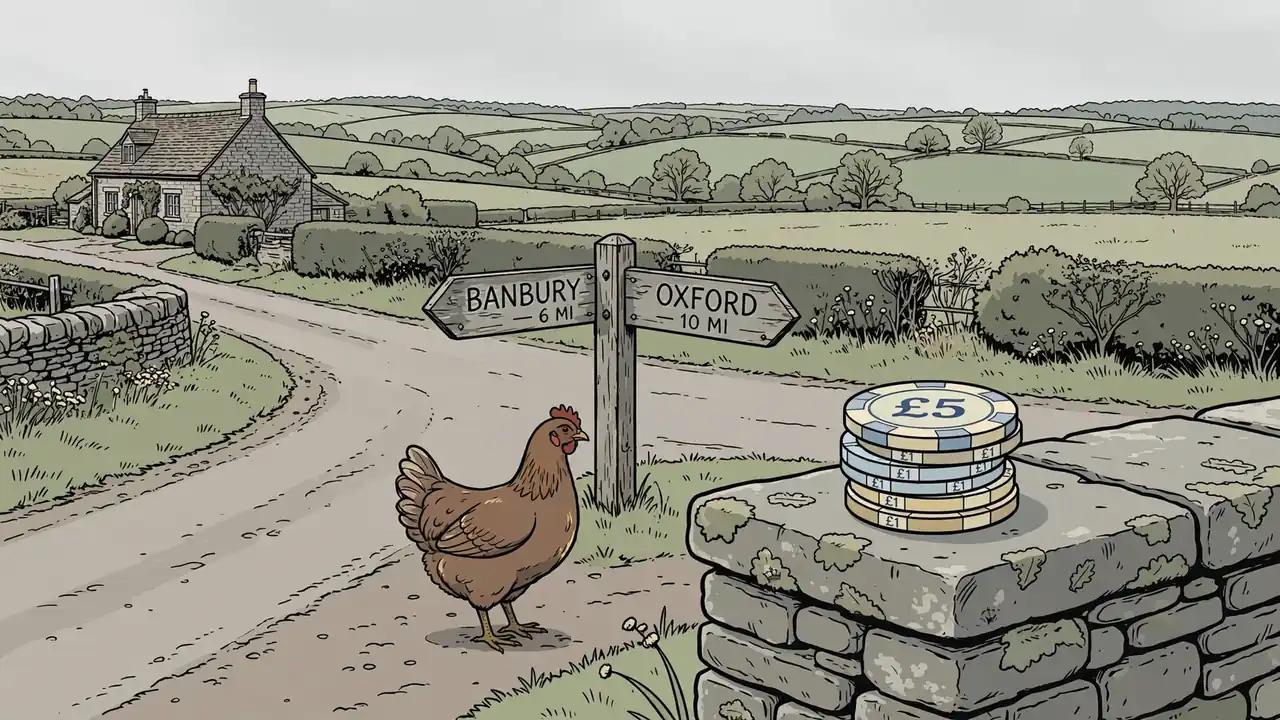
The limit is £5 per game cycle if you are 25 or older, and £2 if you are aged 18 to 24. These limits apply to slots, not roulette or blackjack.
Is LuckyPays licensed by the UK Gambling Commission?
The Gambling Commission’s public register dated 26 September 2026 does not list LuckyPays under its brand or stated domain, luckypays.io. Remote operators serving Great Britain must hold the relevant licence.
Which games are most popular with players?
Live roulette is one of the games offered, alongside blackjack and Texas Hold’em. Grosvenor introduced its live casino games in 2013.