Best International Casinos for UK Players: What to Know
Learn what an international casino means for British players and where licensing, safeguards, bonus terms and payment delays can differ.
 Available in GB

Table of Contents
- What “International Casino” Means for a UK Player
- Recommended online casinos
- Playing From Britain: Legal for You, Not a UK-Licensed Service
- Before You Sign Up: The Safeguards You Won’t Get
- Bonuses: Big Numbers, Bigger Wagering Requirements
- Live Roulette Without the Sales Pitch
- Real-Money Play: Deposits, Withdrawals and the Cost of Waiting
- How to Read a Casino Review Without Trusting the Rating
- Casino Apps: Check Access Before You Install
- Casino Games: What Can—and Can’t—Be Verified
- Crypto Casinos: Faster Cash-Outs, Volatile Value
What “International Casino” Means for a UK Player
“International casino” sounds grander than it is. In the UK, the useful question is not where a website’s logo was designed or which countries it mentions in its footer. It is whether the operator accepts British customers while holding a licence from the UK Gambling Commission.
That gives us a practical definition. An international, foreign or offshore casino is an online gambling service available to people in Britain without a UK Gambling Commission operating licence. The label describes the operator’s position in relation to the British market, not the nationality of its games, website or customer support team.
I have seen this distinction blurred in casino advertising. “International” can sound like a neutral description, while “offshore” can sound more serious. In practice, both terms may point to a service based outside the UKGC system. The wording matters less than the licence behind the account.
Offshore licence versus UKGC licence
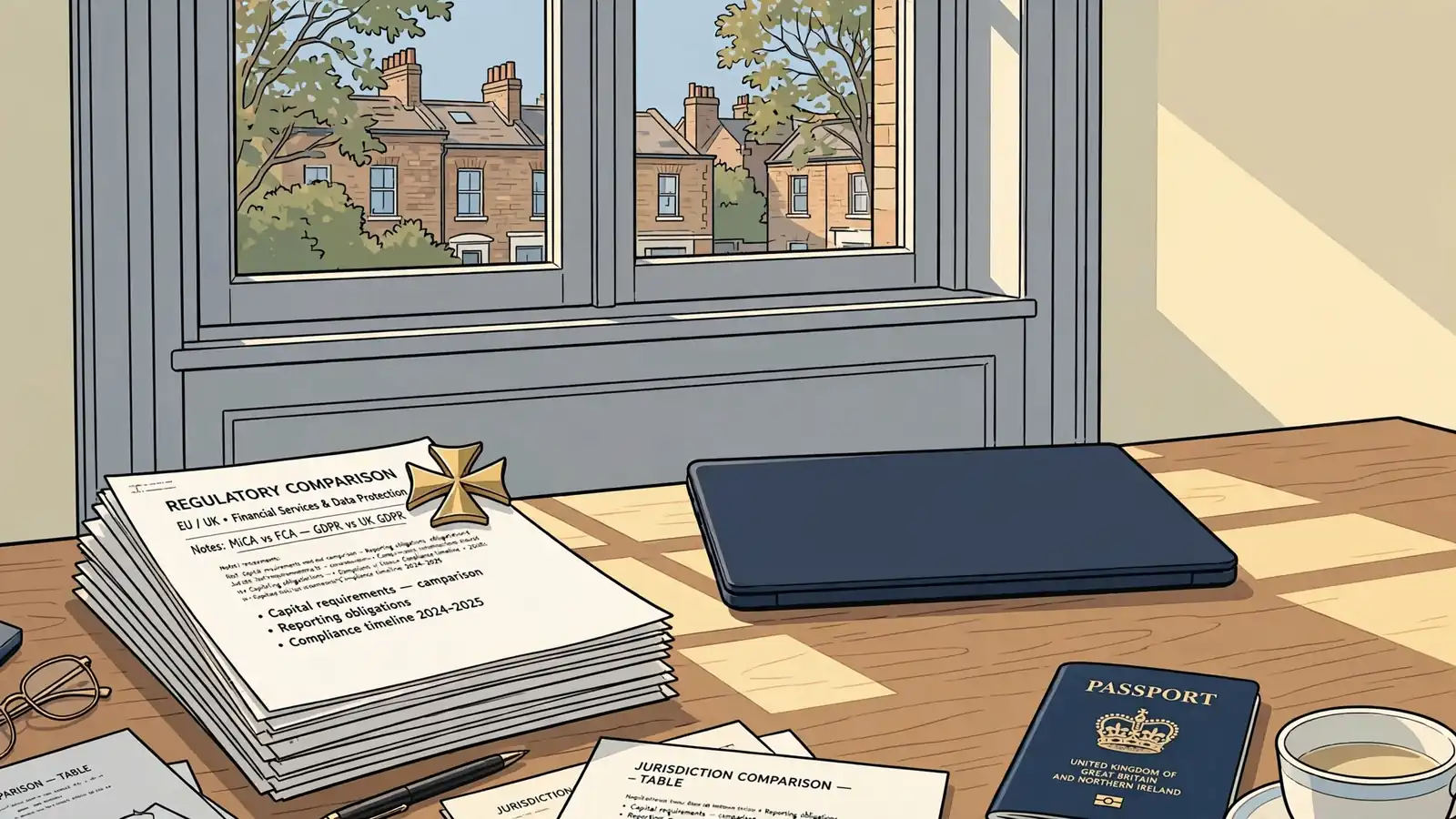
An offshore casino may hold permission from a gambling authority in another jurisdiction. That licence can be presented as evidence that the operator is not completely unregulated somewhere in the world. It does not turn the operator into a UK-licensed casino.
A UKGC licence is specifically tied to offering remote gambling to customers in the British market. The Gambling Commission’s role is therefore different from that of an overseas licensing authority. A foreign licence does not replace the authorisation required to serve customers in England, Scotland and Wales.
This is where many “best international casino” lists become slippery. They may place an offshore licence badge beside claims about safety, but the badge does not provide UK Gambling Commission oversight. An operator licensed offshore remains outside the UKGC regulatory system. Calling it international does not give it British regulatory status.
USA Casinos for UK Players: Rules and Risks
I learned to look past the flag in the website footer. The important line is whether the operator has a current UK Gambling Commission licence for the service being offered. If it does not, it should not be treated as a UK-licensed online casino, regardless of the foreign licence it displays.
What the UK rules apply to
For online gambling businesses, the location of the company is not the only issue. An operator that offers gambling facilities to customers in England, Scotland or Wales needs the relevant Gambling Commission licence. The same requirement applies when the operator is based abroad.
That means an international online casino cannot rely on its overseas registration as a substitute for British authorisation. Without a Gambling Commission licence, an online gambling site is not permitted to offer its service in those parts of the UK. Advertising the service to people in the UK without the required licence is also unlawful.
This creates an important split between the business and the individual customer. The regulatory obligation described here falls on the operator: it must not provide gambling facilities to UK customers, or advertise those services in the UK, without a UKGC licence. The existence of a website that can be viewed from Britain does not change that rule.
So when a site calls itself an international online casino, I would separate three questions:
- Where is the operator based?
- Which authority, if any, issued its licence?
- Does it hold a UK Gambling Commission licence for serving British customers?
The first question is background. The second identifies the offshore regulatory framework. The third is the one that determines whether the service is authorised for the British market.
Why the terminology matters
Search results and casino pages use several versions of the same idea: international online casinos, online casinos based abroad, foreign casinos and non-UK casinos. Those phrases are not automatically proof of a particular standard. They describe a category of service, not a guarantee of legality, fairness or customer protection.
“Licensed” needs the same careful reading. A statement that a casino is licensed may be true while still leaving out the detail a UK player needs. Licensed by whom? For which activity? Does that permission cover customers in Britain? An offshore licence answers only part of the question.
I have made the mistake of treating any regulatory logo as a shortcut. It is not. A foreign authority’s approval and a UKGC operating licence are separate things, with separate reach. Confusing them can make an offshore casino look like a British-regulated one when it is not.
The cleanest description is therefore straightforward: an international casino for a UK player is an online gambling operator outside the UKGC licensing system that accepts customers from Britain. It may have an offshore licence, but that licence does not place it under UK Gambling Commission control.
An international casino for a UK player is an online gambling operator outside the UKGC licensing system that accepts customers from Britain. It may have an offshore licence, but that licence does not place it under UK Gambling Commission control.
That is the boundary worth keeping in mind. “International” describes the operator’s cross-border position. “UK-licensed” describes permission to provide remote gambling services in the British market. They are not interchangeable labels.
Recommended online casinos
- DieselwinBonus: Welcome Pack 250% up to £4000 + 200 FS · Payout speed: 1-3 business days
- SlotoSportBonus: 500% up to £ 10 200+ 777 FS · Payout speed: 1-3 business days
- ChanzeBonus: Slots Welcome Bonus #1 200% up to €500 · Payout speed: 1-3 business days
- NightLuckBonus: Welcome Pack + 805% Up To 6400€ + 280 FS · Payout speed: 1-3 business days
- SpinFormulaBonus: 550% Up To £15,000 + 550 FS · Payout speed: 1-3 business days
- BritsinoBonus: Welcome Package – Get your £2,200 + 2,000 FS · Payout speed: 1-3 business days
- AmunbetBonus: Join now and get 450% up to 2,700 GBP + 450 FS · Payout speed: 1-3 business days
- NightWinBonus: £900 + 400 free spins · Payout speed: 1-3 business days
Playing From Britain: Legal for You, Not a UK-Licensed Service
There are two different legal questions here, and casino advertising has a habit of blending them together.
The first concerns you as the player. The second concerns the operator taking your bet.
A British resident does not commit a criminal offence simply by placing a bet with a casino licensed outside the United Kingdom. There is no UK law that generally bans an individual from using an overseas gambling service. That remains true even though the site does not hold a licence from the UK Gambling Commission.
That does not turn the operator into a UK-approved casino.
A foreign licence belongs to the jurisdiction that issued it. It does not give the operator permission to sell gambling services into Britain. Remote operators targeting customers in England, Scotland or Wales need the appropriate UK Gambling Commission licence, regardless of where the company is based or where its offshore licence was issued.
So the legal position is uneven:
- the player is not facing a criminal penalty merely for betting with an overseas casino;
- the operator may not offer gambling facilities to British customers without the required UK licence;
- advertising an unlicensed gambling service in the UK is also restricted;
- the site remains outside UK Gambling Commission supervision if it has no UKGC licence.
That distinction matters more than the word “international”. It can sound respectable while telling you almost nothing about your position if a dispute starts.
Access is not proof of permission
Some offshore operators are expected to prevent visitors from Britain from opening or using accounts. Yet a report from gambling.com says that certain non-UK-licensed casinos do not properly enforce those blocks, while a basic VPN can allow users to get around them.
Treat that as an access observation, not as a legal green light or a recommendation. A website loading in your browser does not prove that it is authorised to serve you. Nor does a successful registration show that the operator accepts responsibility under British gambling rules.
I have made this mistake myself in other online services: I saw a working sign-up page and treated it as confirmation that everything was in order. It is not. A technical door being open and a regulated service being available are separate things.
A VPN can make the situation even less clear. It may alter the apparent location shown to the website, but it does not change your residence, create a UKGC licence, or give you the protections attached to a British-licensed operator. It can also conflict with the casino’s terms, leaving the operator with another reason to question an account or delay a withdrawal.
Convenience is not authorisation.
What happens when the payout goes wrong?
The biggest practical difference appears when you want your money back.
A UKGC-licensed operator operates within the British regulatory framework. An offshore casino without that licence does not. It is not subject to UK Gambling Commission enforcement, and you should not assume that a complaint will be handled through the same routes or with the same level of protection.
Payout Risks
Unlicensed sites may refuse to pay winnings, leaving customers without effective legal recourse through the UK Gambling Commission.
Reports have recorded cases in which unlicensed sites refused to pay winnings, leaving customers without effective legal recourse. Gambling.com has described this risk in connection with offshore operators. That is not a claim that every international casino will refuse a withdrawal; it is a warning about what can happen when the site is outside the regulator that normally governs the British market.
The distinction becomes important when an account is closed, documents are disputed, bonus conditions are applied after the event, or a withdrawal simply remains unpaid. At a UK-licensed casino, the operator has obligations under the local licensing system. At an offshore site, the dispute may depend largely on the operator’s terms, its own licence jurisdiction and whether any useful complaint route is available there.
You may still have contractual rights. Exercising them can be another matter.
Read the label, then read the licence
Terms such as “international”, “worldwide” and “non-UK” describe reach or branding, not regulatory standing. The useful question is whether the operator holds a current UK Gambling Commission licence for serving British customers.
If it does not, do not let the fact that:
- the site accepts a British address;
- the cashier displays familiar currency;
- registration works without an obvious block; or
- the casino carries an offshore licence
create the impression that it is a UK-licensed service. None of those details supplies UKGC oversight.
There is also a difference between an operator accepting a customer and being entitled to market gambling to that customer. A site may process a registration while still falling outside the rules for offering gambling facilities in Britain. The player’s lack of criminal liability does not remove the operator’s obligations.
That is why I would separate two statements that are often pushed together:
“You can play there without committing a crime.”
and:
“The casino is allowed to provide this service in Britain.”
The first can be true while the second is not.
The sensible reading of “legal”
When a foreign casino advertises itself to British players, “legal” needs unpacking. It may mean that the player is not committing a criminal offence. It may refer to the casino’s licence in another country. It does not automatically mean that the operator is authorised by the UK Gambling Commission or that you receive UKGC protections.
For a British player, the risk is therefore less about being prosecuted for clicking “play” and more about dealing with a service that sits outside the domestic licensing system. Access may be available, but access is not endorsement. A successful deposit may be processed, but processing is not a promise that winnings will be paid.
That is the line worth keeping in view before treating an overseas casino as one of the best international options for UK players. The player and the operator are not standing in the same legal position.
Before You Sign Up: The Safeguards You Won’t Get
The appealing part of international casino sites for UK players is often what they appear not to ask for. A shorter registration, fewer questions and no visible connection to British self-exclusion can look like convenience. I have learned to read that differently: when a check disappears, the protection attached to it may have disappeared too.
An offshore casino operates outside the UK Gambling Commission’s system. It is not subject to UKGC enforcement and does not have to provide the same player-protection standards as a UK-licensed operator. That distinction matters more than the site’s badge, polished design or claim that it is “secure”. A foreign licence may exist, but it is not a UKGC licence and does not create UKGC oversight.
Missing Safeguards
- No UKGC affordability check to monitor risky spending.
- No GamStop protection to enforce self-exclusion.
- No UK Gambling Commission enforcement for disputes.
- Different licence conditions that do not match the UK framework.
No UKGC affordability check
UKGC-licensed operators apply affordability controls as part of their safer-gambling responsibilities. Offshore casinos do not provide the affordability checks mandated by the UKGC. That can make the account-opening process feel less intrusive, but it also removes a point at which unusually risky spending might be noticed or questioned.
This is not a benefit I would quietly fold into a list of advantages. If a casino accepts deposits without asking how gambling fits your finances, you are left to spot the warning signs yourself. A site may still request identity documents or ask questions for its own reasons, but that is not the same as operating under the UKGC’s affordability requirements.
The difference becomes sharper when someone is already trying to control their gambling. A player may have set limits, taken a break or recognised that access to another account is a bad idea. A frictionless sign-up can work against those intentions. There is no outside UK regulator stepping in to apply the missing check.
Shorter form, longer risk.
GamStop does not follow you offshore
GamStop blocks access to every UKGC-licensed operator once a player registers for self-exclusion. It is designed as a network-wide barrier across British-licensed sites, rather than a setting attached to just one casino account.
Foreign casinos outside the UKGC’s remit are not part of GamStop. They therefore do not provide GamStop protection. That is the central point behind the phrase “international casinos not on GamStop”: it describes a gap in coverage, not a safer route back to gambling.
British Casinos Not on GamStop: What It Means
A player who has self-excluded may still be able to open an account with a foreign operator and deposit. An affiliate review claims this can happen within minutes and without the safeguards that would apply at a UK-licensed site. I would treat that as a warning, not a selling point. If self-exclusion was chosen because gambling had become difficult to control, finding an operator outside the scheme defeats the purpose of taking that break.
The danger is practical as well as emotional. A new account can remove the pause between an urge and a deposit. It may also create the illusion that the original decision no longer applies because the website is different. The underlying reason for self-exclusion has not changed.
If you have registered with GamStop, using an offshore casino to get around it is not a workaround I would recommend. It is a way of removing a barrier that you put there for your own protection. Better to treat the blocked access as useful information about what you needed at the time.
A licence elsewhere is not the same protection
Some international online casinos state that they hold licences from overseas authorities. An operator review may describe such licences as evidence of compliance with relevant laws and guidelines. That claim needs careful wording: an overseas licence does not place the casino under UKGC supervision, and it does not reproduce the protections attached to a UK operating licence.
Attention An overseas licence does not reproduce the protections attached to a UK operating licence or provide UKGC oversight.
The badge cannot tell you whether the operator will apply British affordability controls, connect to GamStop or face action from the UK Gambling Commission. It cannot turn an offshore account into a UK-regulated account. Nor should a general statement about encryption or account security be confused with safer-gambling protection. Keeping data private and controlling gambling spend are separate issues.
I once gave too much weight to a licence logo because it looked official. The more useful question is not whether a logo appears, but which regulator issued it and what that regulator can do for a British customer. If the answer is not the UKGC, the protection gap remains.
What the missing safeguards mean in practice
Before registering with any international casino accepting UK players, pause over four points:
- No UKGC affordability check: the operator is not required to apply the affordability assessment imposed on UKGC-licensed services.
- No GamStop coverage: self-exclusion from British-licensed casinos does not automatically block the offshore account.
- No UKGC enforcement: complaints do not sit within the UK regulator’s enforcement system simply because the customer is in Britain.
- Different licence conditions: an overseas licence may impose its own rules, but those rules are not the UK’s player-protection framework.
None of this means every offshore operator makes the same decisions or follows identical procedures. It means you cannot assume that a familiar British safeguard travels with you. The absence of a warning screen, affordability question or GamStop block may be the most important thing visible on the page.
For someone without a gambling problem, that gap can still matter if a dispute or loss of control develops later. For someone who has self-excluded, it is especially serious: the route advertised as access to international casinos online may be precisely the route that bypasses the protection they deliberately chose.
Bonuses: Big Numbers, Bigger Wagering Requirements
The first thing that catches your eye on an international casino page is rarely the game selection. It is the banner promising a “huge” welcome bonus, free spins or even cash for opening an account. I have made the mistake of reading the headline first and the terms later. That is backwards. With bonuses, the small print is the offer.
A specialist affiliate review reports that foreign casinos serving British players can advertise larger welcome packages because they are not bound by the UK Gambling Commission’s restrictions on bonus wording, wagering conditions and promotional presentation. That can make an offshore or non-GamStop casino look generous beside a UK-licensed operator. It does not make the bonus simple.
What the headline may contain
The common formats are fairly easy to recognise:
- Deposit matches: the casino adds bonus funds against what you deposit.
- Free-spins packages: spins are attached to a qualifying deposit or another promotion.
- No-deposit bonuses: a small bonus is advertised without requiring a deposit first.
- Cashback offers: part of qualifying losses or activity is returned under stated conditions.
A no-deposit bonus at an international casino sounds like the cleanest deal because your own money is not needed at the start. In practice, it may still require registration, identity checks, a qualifying game, a maximum cash-out, or wagering before anything can be withdrawn. “Free” describes the entry point, not necessarily the route to cash.
Free spins without a deposit can have their own restrictions too. The winnings may be placed in a bonus balance, and only qualifying bets may count towards release. The casino may also attach an expiry period or exclude particular games. Those conditions matter more than the number of spins printed in the advert.
Cashback is not automatically cash in your pocket either. It may be credited as bonus funds rather than withdrawable balance, with its own playthrough rules. I now treat the word “cashback” as a label to investigate, not as a refund.
The arithmetic behind a match
A percentage match tells you how the bonus is calculated. The wagering requirement tells you how much qualifying betting must follow.
Wagering Calculation
Step 1: Identify the bonus
A £100 deposit receives a 100% match, resulting in £100 in bonus funds.
Step 2: Apply the requirement
With a 35x wagering requirement, you must place a cumulative amount of qualifying bets.
Step 3: Calculate the total
£100 (bonus) × 35 = £3,500 in required betting volume before the funds can be withdrawn.
Take the worked example reported by a specialist review: a £100 deposit receives a 100% match, creating £100 in bonus funds. With a 35x wagering requirement, the required betting volume is £3,500 before the bonus can convert into withdrawable cash. That is not a suggestion to stake £3,500 in one go. It is the cumulative amount of qualifying bets required by that condition.
Another example makes the same point with a smaller bonus. A £20 bonus carrying a 35x requirement creates £700 of qualifying bets. The figure is calculated from the bonus amount, not from the deposit, in that example. Some terms use the bonus alone; others may calculate against the deposit plus bonus. Never assume which basis applies.
That distinction changes the deal dramatically. If the rule applies to deposit and bonus together, a seemingly attractive match can create a much larger obligation than the banner suggests. A player who starts with a £100 deposit and receives a £100 match must know whether the requirement is based on £100 or £200.
Read the conditions before accepting
Before clicking to claim an international casino welcome bonus, look for the exact wording on:
- the balance used to calculate wagering;
- which games and bets count;
- whether free-spin winnings have separate rules;
- the maximum stake allowed while the bonus is active;
- the expiry condition;
- any withdrawal cap;
- what happens if you withdraw before completing the requirement.
The game contribution can be especially important. A slot bet may count fully, while another game may count only partly or not at all. A bonus that looks usable across the whole casino may therefore apply to a much narrower set of bets.
There is also a practical trap: depositing more does not necessarily make a difficult bonus better. It can increase the amount tied up in the promotion and leave you chasing the release condition with your own funds at risk. I have learned to calculate the wagering figure before deciding whether the bonus is worth activating.
The sensible comparison is not “Which casino shows the biggest number?” It is “What must I stake, on which games, and what can stop withdrawal?” Once you ask that, the shine comes off quickly. That is useful.
Live Roulette Without the Sales Pitch
Live roulette sounds straightforward: a real wheel, a dealer and bets placed through an online casino. That basic format is what people generally mean when they look for an international live casino or a live roulette casino serving UK players. The “international” label, though, says where the operator sits or which market it targets. It says nothing by itself about the quality of the table, the speed of support or the treatment of a disputed bet.
A live table presentation concerns the game itself; it does not provide UKGC oversight, affordability checks, or British-licensed protections.
I have learned not to read a polished lobby as proof of much. A live table can look professional while the important questions sit elsewhere: who operates the site, which licence covers it and what happens if your account is restricted or a withdrawal is challenged. A foreign operator remains outside the UK Gambling Commission system, even when its live section looks similar to one on a UK-licensed service.
That distinction matters more with live play because the experience feels immediate. You see the wheel spin and may assume the surrounding process is equally transparent. It is not. The table presentation concerns the game itself; it does not provide UKGC oversight, UKGC-mandated affordability checks or the protections attached to a British licence.
What to check at the table
Before treating a live roulette page as a reason to register, I would separate the visible game from the operator behind it:
- Is the casino licensed offshore rather than by the UK Gambling Commission?
- Are the betting rules and settlement terms clear before you place a wager?
- Does the site explain identity checks and withdrawal conditions?
- Is the live section available on your device without relying on a workaround?
That last point is practical rather than glamorous. Mobile access can make a table easier to reach, but an international mobile casino is still subject to the same operator-level risks as its desktop site. A smaller screen does not make unclear terms clearer.
I would also avoid turning a request for an “international casino list” into a shopping exercise. A list of names cannot tell you whether a particular live-roulette dispute will be handled fairly, or whether the operator will honour a withdrawal. Gambling.com has reported that some non-UK-licensed casinos fail to enforce blocks on British visitors, while access can also be bypassed with a basic VPN. That does not make the service safer or give it a UK licence.
Live roulette can be entertaining, but the dealer and the camera are not the safeguard. The operator is the real question.
Real-Money Play: Deposits, Withdrawals and the Cost of Waiting
When you play for real money at an international casino, the deposit is normally the easy part. The awkward bit starts when you ask for your money back. I have learned to treat the withdrawal page as more important than the payment logos on the homepage.
The operator’s own processing time and the payment network’s transfer time are separate things. A casino can approve a request quickly, then leave the banking system to complete the movement of funds. Procedures also differ between operators: withdrawal limits, pending periods and verification steps are not consistent across foreign casinos.
Gibraltar Casino Licence and UK Player Access
E-wallets: the practical middle ground
Skrill and Neteller are among the quicker fiat options mentioned for international real-money play. A specialist review reports that most foreign casinos clear these transactions within 24 hours, with many completing them in under 12 hours.
That still does not mean every request will move at the same speed. A new account, a changed payment method or an operator’s internal review can add delay. Before depositing, I would check whether the casino sends withdrawals back to the same method, whether a pending period applies and what documents it may request.
Bank transfers: allow for the long wait
Bank transfers are the slowest option in the comparison. A specialist review puts the banking timeline at five to seven business days and notes that some foreign casinos add their own processing delay before the transfer reaches your bank.
That distinction matters if you are budgeting around a withdrawal. “Processed” may mean the casino has approved the request, not that the money is already available in your account. I once read the first status as confirmation that the job was finished. It was not.
Crypto: speed with a moving value
A specialist review reports that crypto withdrawals from foreign casinos can clear in under an hour, making them faster than fiat methods. The trade-off is value volatility: the amount you receive in cryptocurrency can change in value while the transaction is being processed or afterwards.
Crypto Volatility
Warning The amount you receive in cryptocurrency can change in value while the transaction is being processed or after it is completed.
So speed is not the same as certainty. You need to consider both the transfer time and what the received funds may be worth when converted or spent. Fast, but changeable.
How to Read a Casino Review Without Trusting the Rating
A star rating is not evidence that an international casino is safe for real-money play. I have learned that the awkward way: a polished review can make an offshore site sound dependable while leaving the important questions buried below the welcome offer.
Start with the licence. A casino operating offshore is not regulated by the UK Gambling Commission, even if its review uses words such as “trusted” or “secure”. Those labels are opinions unless the page identifies the operator, its licensing authority and the limits of that licence. A licence from outside Britain does not turn the site into a UK-licensed service.
Then read the withdrawal section before looking at games or bonuses. A useful review should explain whether the operator sets withdrawal limits, applies a pending period or requests additional checks. These details are not interchangeable: a specialist review reports that limits, waiting periods and verification requirements can differ considerably between operators. If a page says only “fast payouts”, it has skipped the part that affects your money.
Verification deserves the same scrutiny. Do not confuse a simple account-registration description with the checks applied when you withdraw. A UK Gambling Commission-licensed operator must verify identity before processing a withdrawal. An offshore site may set its own procedure, so the review should point you to the relevant terms rather than treating a rating as proof that payment will arrive.
I also look for warnings about failed withdrawals. Gambling.com has reported cases in which unlicensed sites refused to pay winnings, leaving customers without practical legal recourse. That is not a prediction about every foreign casino, but it is enough to make vague “reliable” claims feel rather thin.
For a live roulette casino review, the same test applies. Ignore the table image and promotional language until the page explains the operator’s licence, withdrawal rules and verification process. A review that names a large game selection but says little about getting your balance out is describing entertainment, not reliability.
My quick checklist is simple:
- Who issued the licence?
- Is the operator outside UK Gambling Commission oversight?
- Are withdrawal limits and pending periods stated?
- Are verification conditions explained?
- Does the rating rely on evidence or marketing language?
Four stars are easy to print. Getting paid is the real test.
Casino Apps: Check Access Before You Install
An “international casino app” sounds like a separate product, but the important question comes earlier: can the underlying offshore service lawfully and reliably accept you from Britain? An app does not turn a foreign operator into a UK Gambling Commission licensee. It is simply another route into the same account.
That matters because access controls can be inconsistent. Gambling.com has reported that some casinos licensed outside the UK are meant to block British visitors, while certain operators do not actively enforce the restriction. The same report says that a basic VPN may allow a user to bypass a block. I would not treat that as proof that access is authorised, stable or safe. A site that works today can reject the connection tomorrow, and an account opened through a bypass may create trouble when identity or payment checks arise.
App Access
An app is simply another route into the same account and does not change the offshore regulatory status of the operator.
Downloading an app does not mean the operator is permitted to serve British customers or that a VPN makes the arrangement legitimate.
The licence terms can be narrower than the app’s sales language suggests. Santeda’s Curaçao licence, for instance, does not authorise operation in the UK or the United States. Seeing an app in an app store, receiving an installation file or loading a mobile webpage therefore tells you very little about whether the operator is permitted to serve British customers.
I have learned not to install first and investigate later. Before putting an app on your phone, check the operator’s stated territorial restrictions and identify which company actually runs the account. Do not assume that a download means approval, or that a VPN makes the arrangement legitimate.
There is another practical reason to pause: an app can make access feel routine, even when the operator sits outside UKGC oversight. That feeling is misleading. The same offshore status follows you from browser to phone.
Convenience is not protection.
Casino Games: What Can—and Can’t—Be Verified
The phrase “international casino games” covers a broad mix of software, but the label alone tells you very little. A foreign operator may advertise slots, table games, live dealer titles or jackpot products, yet a promotional page is not proof that every listed game is available to British customers. Access can depend on the operator, the player’s location and the site’s current terms.
I have learned not to treat a game banner as a catalogue. Names can be shown in advertising, removed without notice or restricted after registration. The same applies to claims about providers, features, return rates and volatility. Those details need checking against the individual game’s information and the operator’s terms before you attach any money to them.
The regulatory setting matters as well. Offshore casinos operate outside the UK Gambling Commission system, so they do not carry the same UKGC oversight as a licensed British service. A large library is therefore not evidence of stronger protection, fairer treatment or a reliable withdrawal process. More choice can simply mean more products presented with less context.
For British players, online slot play also has a clear local restriction: autoplay is banned. Slot spins must last at least 2.5 seconds, and the maximum stake per game cycle is £5 for adults aged 25 and over and £2 for players aged 18 to 24. An offshore site does not turn those British rules into a recommendation or confirm that its own interface follows them.
That is the sensible way to read game pages: separate what is visibly listed from what is actually available, and separate availability from safety. A polished lobby is still just a lobby.
Crypto Casinos: Faster Cash-Outs, Volatile Value
Crypto can look attractive when you are comparing international casinos from Britain, mainly because the withdrawal speed may be striking. A specialist review reports that crypto cash-outs at foreign casinos can clear in under an hour, faster than the fiat methods discussed elsewhere. That is a useful detail, but it is not the whole payment decision.
The amount you receive is tied to the value of the cryptocurrency at the relevant point in the transaction. If that value moves while a withdrawal is being processed, the money arriving in your wallet may not have the same purchasing power as the amount you expected when you requested the cash-out. Speed does not remove that risk. It can simply make the transfer happen faster.
I have made the mistake of treating a quick withdrawal as automatically better. It is easy to focus on the words “fast cash-out” and forget that crypto is not a fixed-value substitute for pounds. The practical comparison is therefore not just waiting time. It is waiting time against price movement, with the result depending on the asset and the timing.
Before depositing, check which crypto options the operator accepts, how the withdrawal is requested, and whether the casino applies its own verification or processing steps. Those details are operator-specific, and a short blockchain transfer does not necessarily mean the full casino withdrawal process is complete.
You also need to remember what kind of service you are dealing with. Foreign casinos accepting British customers operate outside the UK Gambling Commission system. They do not provide the protections attached to a UKGC licence, including UKGC-mandated affordability checks. Crypto may be available as a deposit option, but faster movement of funds is not the same as stronger consumer protection.
Fast is useful. Stable value matters too.
Is playing at an international casino legal for UK residents?
Yes, you do not commit a criminal offence simply by betting with an overseas casino. However, an operator without a UK Gambling Commission licence is not permitted to offer gambling services to customers in England, Scotland or Wales.
Can I play at a casino licensed outside the UK?
Yes, there is no UK law that generally prohibits you from placing bets with an overseas operator. Its foreign licence does not authorise it to serve customers in Britain, though, and does not provide UK Gambling Commission oversight.
What happens if I have a dispute with a foreign casino?
You may have little practical recourse: some unlicensed casinos have refused to pay winnings, leaving customers without legal recourse. A foreign licence does not put the casino under UK Gambling Commission oversight.
Are gambling winnings subject to income tax in the United Kingdom?
No, gambling winnings are not subject to UK income tax, whether you win at a UKGC-licensed operator or an overseas one.
What does a wagering requirement actually mean in practice?
It is the amount you must bet on qualifying games before bonus funds can be withdrawn. For example, a 35x requirement on a £20 bonus means placing £700 in qualifying bets.
What should players check to assess whether an international casino is safe?
Check whether the casino holds a current UK Gambling Commission licence for serving British customers; an overseas licence does not provide UKGC oversight. Also check its withdrawal limits, pending periods and verification procedures, which vary between operators.
Are bonuses at foreign casinos actually better than at UKGC-licensed sites?
Foreign casinos often advertise larger welcome packages, including deposit matches, free spins, no-deposit bonuses and cashback. A large offer can still come with substantial wagering requirements—for example, a 100% match bonus of £100 at 35x requires £3,500 in qualifying bets.